-
tel:
+86 13770027118 -
email:
[email protected]

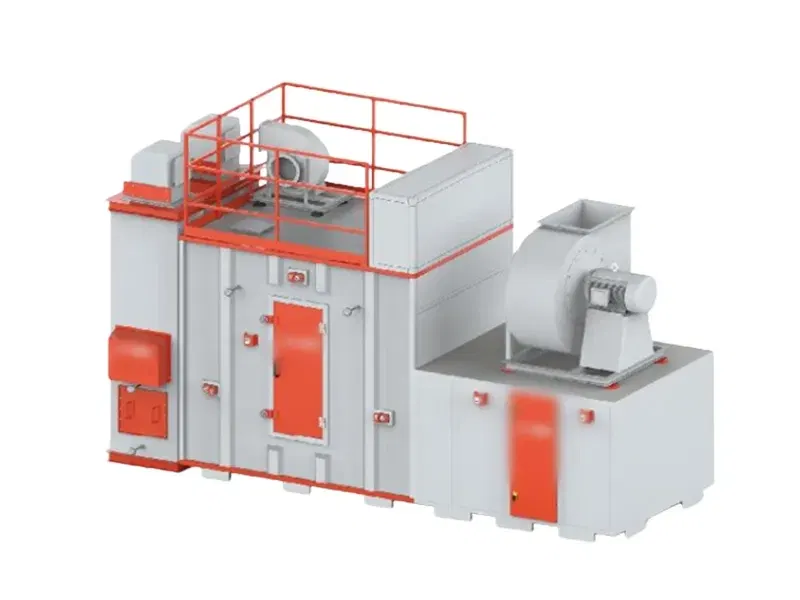
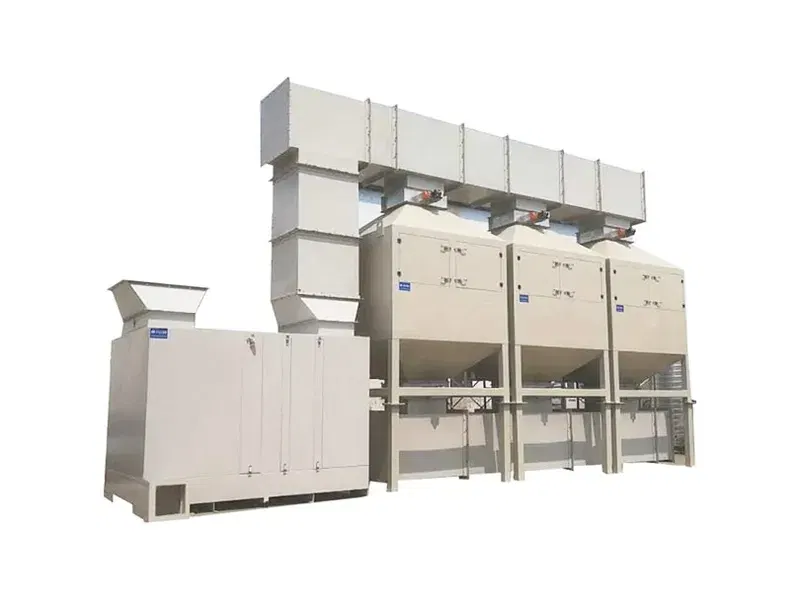
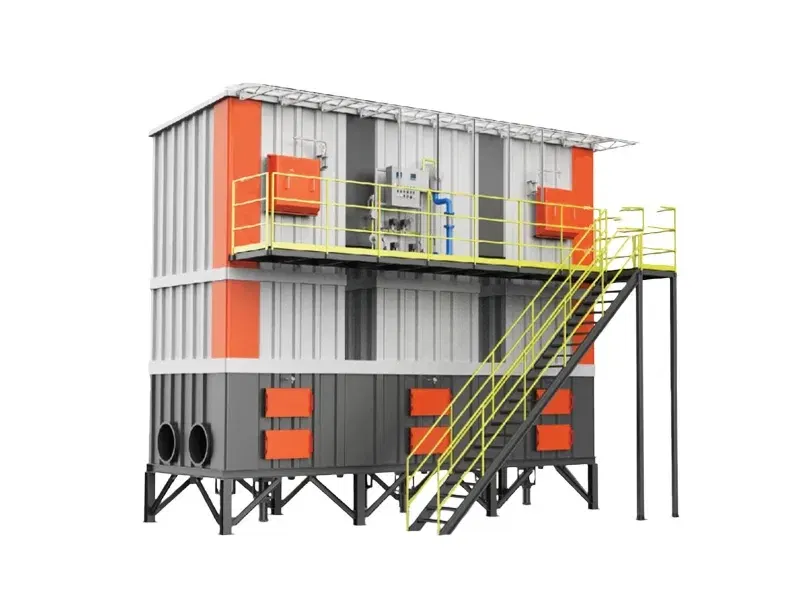
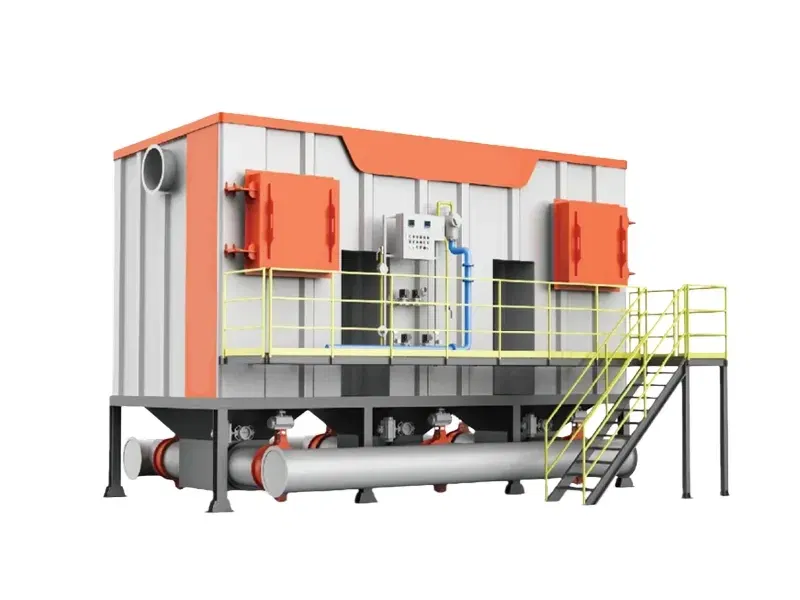
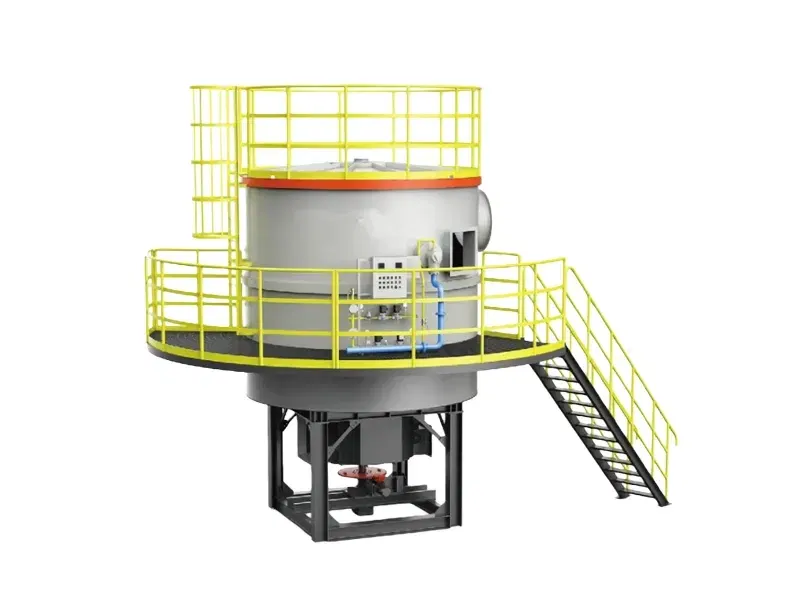
Zeolite Concentration System

![loading... [608x456]](/assets/ji-heng-media/3066/general/4Jry7BsWhZf6RwKT/1.沸石浓缩系统__q_9c292374e3.webp)
Zeolite Concentration System
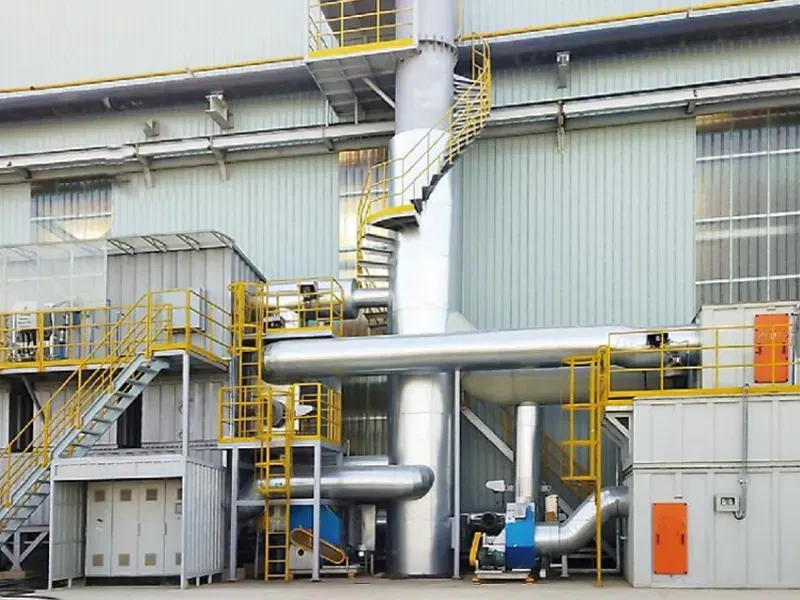
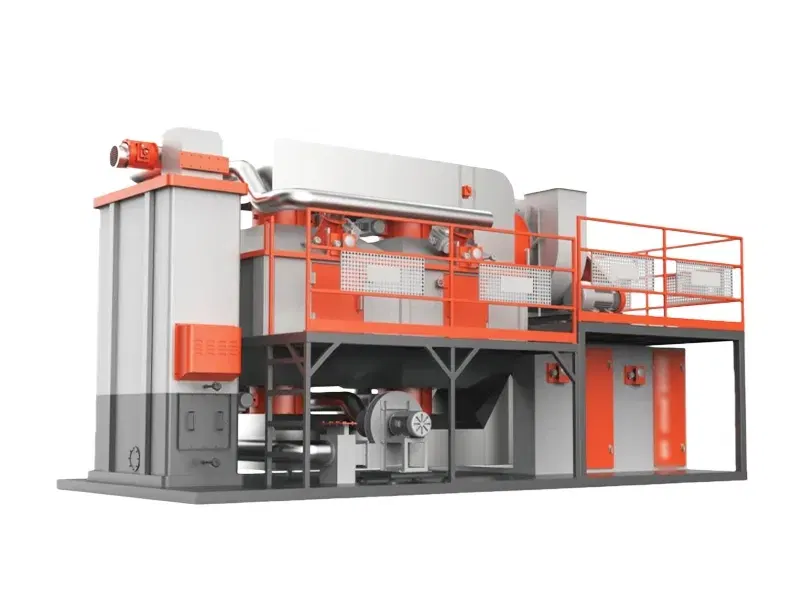
When exhaust gas containing low concentrations of VOCs passes through a honeycomb zeolite, the VOCs are adsorbed onto the zeolite, and the purified gas is released into the atmosphere. At this point, the honeycomb zeolite with adsorbed VOCs continues to rotate, and a small amount of hot air is used to desorb and regenerate the zeolite module. During this process, the low-concentration exhaust gas is concentrated into a high-concentration exhaust gas.
Applicable VOCs: Benzene, toluene, xylene, ethanol, isopropanol, butanol, MEK, MIBK, acetone, cyclohexanone, NMP, ethyl acetate, propyl acetate, butyl acetate, and various chlorinated solvents, etc.
Zeolite content: 75%
Purification efficiency: Up to 98.5%
Concentration ratio: 10-40 times
Cooling area: Not required
Material lifespan: Adsorbent material and base material are integrated, not easy to peel off.
Footprint: Relatively flexible
Installation and replacement: Installation does not require a crane, and replacing the zeolite rotor is convenient.
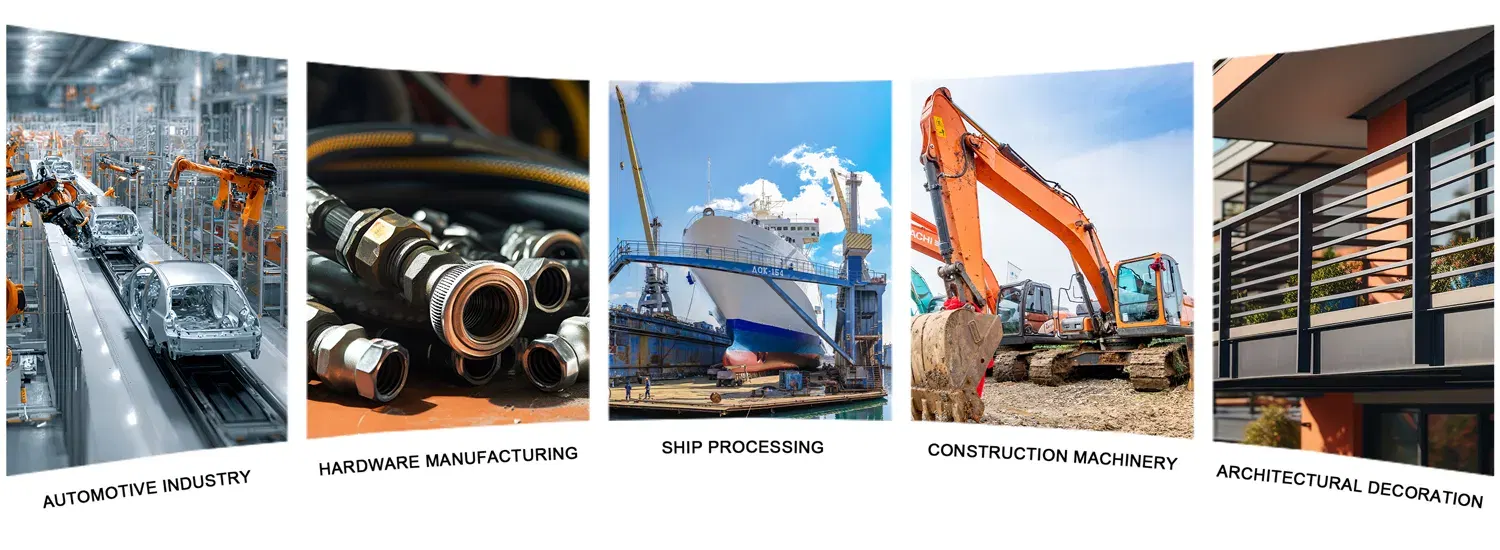
▶ Application Industry
▶ FAQ
What types of exhaust gases are suitable for catalytic combustion equipment?
Catalytic combustion equipment is suitable for treating medium- to high-concentration organic waste gases, such as benzene, ketones, alcohols, esters, and ethers. It is widely used in industries such as spraying, printing, chemicals, and plastics. For low-concentration exhaust gases, it can be used in conjunction with an adsorption concentration system to improve overall treatment efficiency.
How often does the catalyst need to be replaced? Is it prone to failure?
The typical catalyst lifespan is 2-3 years, but the actual replacement interval depends on the exhaust gas composition and pretreatment effectiveness. If the exhaust gas contains high concentrations of particulates, oil mist, or heavy metals, it may poison or deactivate the catalyst. Therefore, it is recommended to strengthen pretreatment and regularly check catalytic activity.
Are there any safety hazards associated with the operation of catalytic combustion equipment?
Catalytic combustion occurs at low temperatures, without open flames, and is less likely to explode, making it a relatively safe treatment method. The equipment is equipped with multiple protection devices, such as over-temperature alarms, power-off protection, and automatic shutdown, to ensure prompt response to abnormal conditions and safe operation.

Contact US
Product Information
Quantity
Unit
Piece
Support order samples, customization, wholesale direct, and complete payment. If the product you look for does not have corresponding customized content, pls fill out the form below to contact us, and we will reply ASAP.