-
tel:
+86 13770027118 -
email:
[email protected]

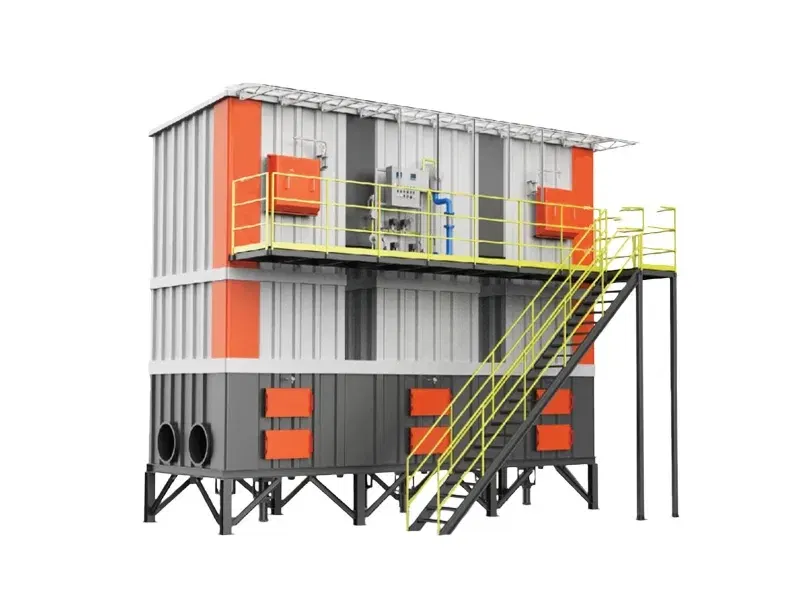
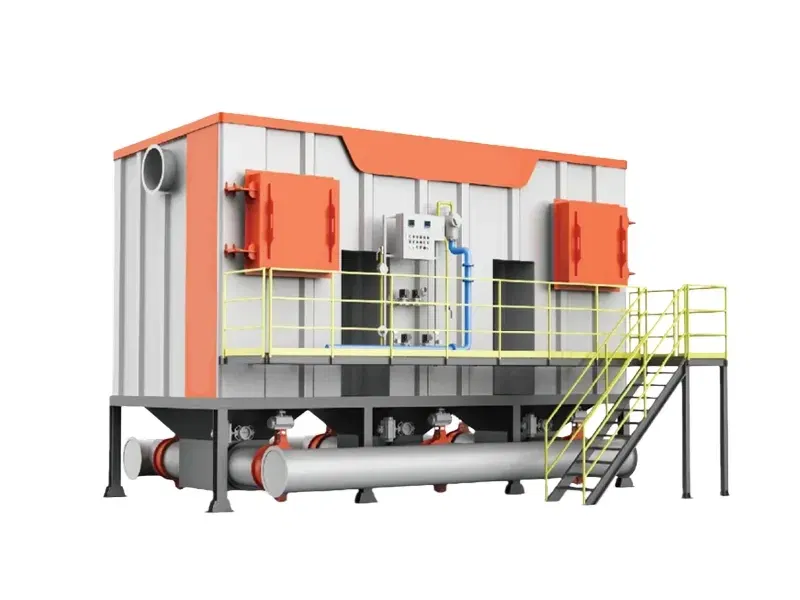
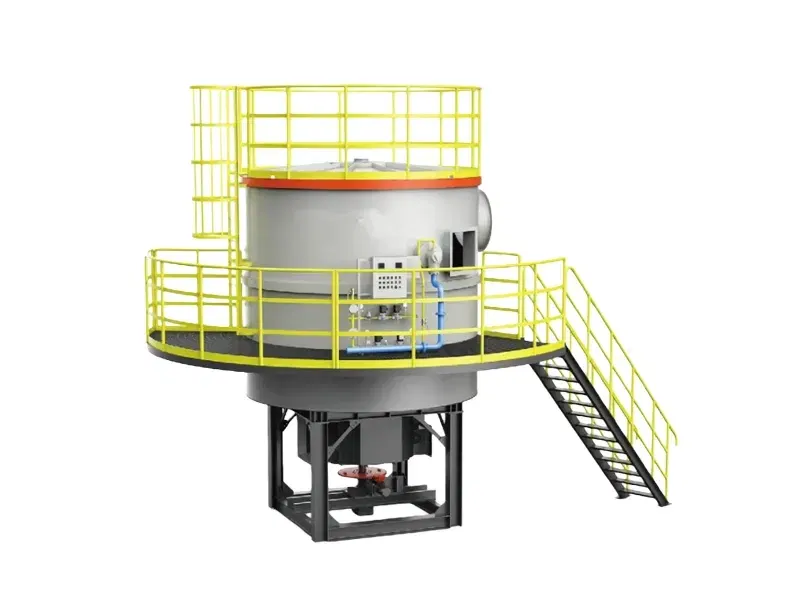
Washed Spray Tower

![loading... [608x456]](/assets/ji-heng-media/3066/general/MT7xKx3RHxaDsGkS/第16页-75__q_9c292374e3.webp)
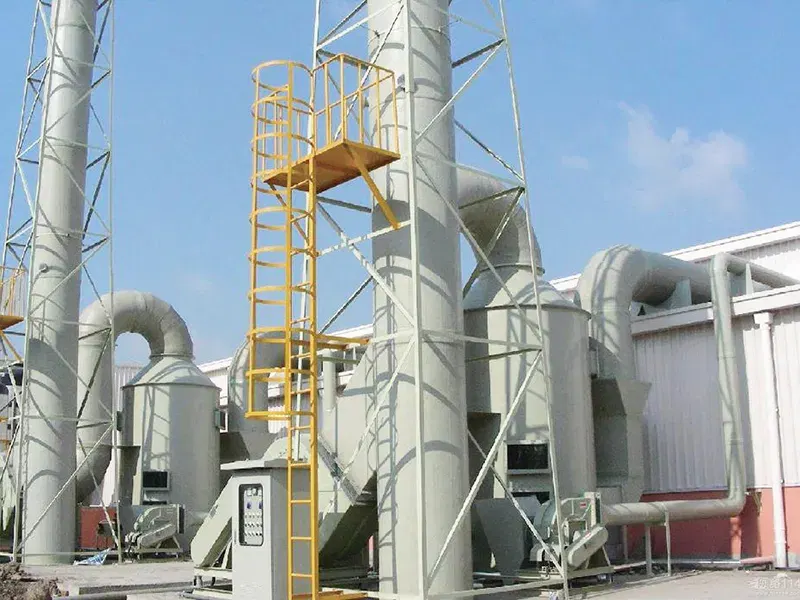
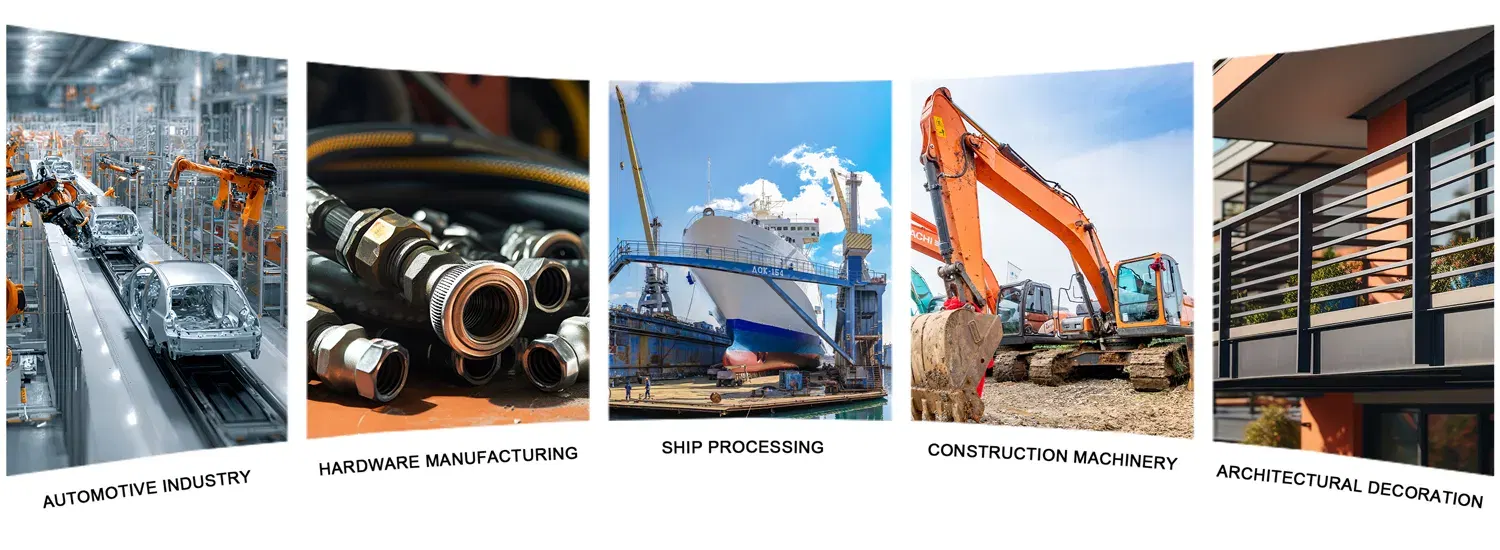
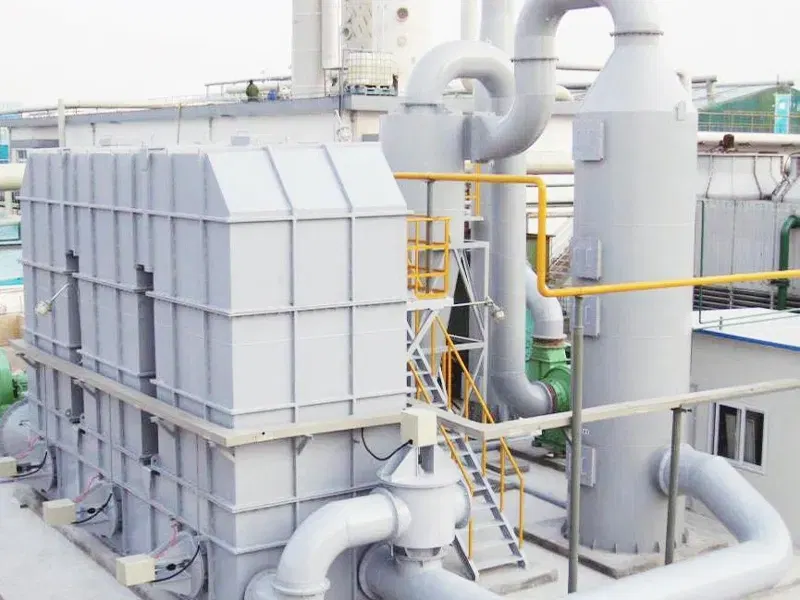
A Washed Spray Tower is an environmentally friendly device commonly used for industrial waste gas purification. It primarily absorbs or neutralizes harmful substances (such as acidic and alkaline gases, dust, and odors) in the waste gas through a spraying liquid that creates a full contact reaction between the liquid and the gas, thereby purifying emissions. This equipment is easy to operate, boasts high purification efficiency, and a wide range of applications. It is widely used in industries such as chemical, electroplating, metallurgy, pharmaceuticals, spray coating, laboratories, and waste disposal, and is particularly suitable for treating water-soluble or highly reactive gases.
▶ Product Structure
A scrubbing spray tower typically consists of the following main components, each of which works in synergy to ensure adequate gas-liquid contact and efficient purification:
1. Tower Structure
The tower body utilizes a cylindrical vertical structure. Common materials include polypropylene (PP), stainless steel, and fiberglass reinforced plastic (FRP), offering excellent corrosion resistance and structural strength.
2. Air Inlet and Fan Interface
Exhaust gas enters the bottom or side of the tower through an air duct or induced draft fan. The air volume is customized based on actual operating conditions to ensure even gas distribution within the tower.
3. Spray System
Located at the top or middle of the tower, this system includes nozzles, spray pipes, and a circulation pump. It is responsible for evenly spraying the scrubbing liquid (such as alkali, acid, or water), creating a mist of droplets that fully contact the exhaust gas.
4. Packing Layer (Optional)
This layer increases the gas-liquid contact area and improves absorption efficiency. Commonly used packing materials include ball rings, stepped rings, and multi-faceted hollow spheres.
5. Circulating Liquid Tank and Pump System
The scrubbing liquid is collected from the lower portion and circulated to the spray system via a pump, enabling multiple liquid reuse and improving treatment efficiency and economy.
6. Demisting Device
This device, located at the top of the tower, intercepts mist droplets entrained in the spray liquid, preventing secondary contamination and liquid waste.
7. Exhaust Outlet
The treated, purified gas is discharged through the top of the tower. Some systems can be equipped with exhaust gas monitoring or connected to an activated carbon device for secondary treatment.
▶ Main Types
1. Single-Tower, Single-Stage Spray Tower
This tower has a simple structure and is suitable for treating low-concentration, single-component waste gases, such as general acid and alkaline waste gases or dust.
2. Double-Tower, Multi-Stage Spray Tower
This tower utilizes two or more stages in series to improve absorption efficiency and is suitable for applications with complex waste gas compositions or high purification requirements.
3. Packed Spray Tower
This tower incorporates a packing layer to increase the gas-liquid contact area. It is commonly used for treating waste gases requiring enhanced absorption reactions, such as high-concentration acid mist.
4. Alkali/Acid Spray Tower
This tower uses targeted dosing of alkaline or acidic cleaning solutions to neutralize different types of waste gas components. It is commonly used for treating chemically reactive gases.
5. Combined Spray Tower
This tower combines multiple technologies, including spraying, packing, and demisting, to meet the complex gas purification needs of specific industries, such as electronics manufacturing, pharmaceutical intermediates, and laboratory ventilation exhaust.
▶ Advantages
High purification efficiency and strong adaptability.
The purification rate for soluble and reactive pollutants reaches over 90%, making it suitable for a wide range of industries and complex working environments.
Compact structure and stable operation.
The tower is rationally designed, occupies a small footprint, and can be installed on the floor or roof. Its robust structure, strong corrosion resistance, and stable and reliable operation are guaranteed.
Simple operation and convenient maintenance.
The system's high degree of automation and liquid recycling reduce operating costs, minimize routine maintenance, and are suitable for long-term continuous operation.
Energy-saving and environmentally friendly, no secondary pollution.
Using a low-energy circulation pump and environmentally friendly materials, the scrubbing liquid can be partially recycled and reused. The treatment process is fire-proof, noise-free, and eliminates the risk of secondary contamination from waste residue or liquid.
Customizable design.
The air volume, tower diameter, number of nozzles, filler type, and material can be flexibly customized to meet the individual needs of different industries and site conditions.
▶ Application Industry
▶ FAQ
What types of waste gas are suitable for scrubbing spray towers?
Scrubbing spray towers are particularly suitable for treating water-soluble or acid- and alkaline-reactive waste gases, such as HCl, SO₂, NH₃, HF, NOx, and NaOH vapor. They also have a certain purification effect on dust and odorous gases. If the waste gas contains insoluble organic matter, it can be used in conjunction with other equipment, such as an activated carbon adsorption system.
Does the equipment consume water or require frequent scrubbing fluid changes?
The spray tower uses a circulating water system, allowing the scrubbing fluid to be recycled multiple times, requiring only regular replenishment and testing of the acid and alkaline concentrations. Some industries require regular drainage and fluid changes, the frequency of which depends on the waste gas concentration and operating time. Adding an automatic dosing system can achieve stable control, saving water resources and labor costs.
Is installation and subsequent maintenance complicated? Can we operate it ourselves?
The equipment is installed by a professional team, with simple structural installation and a short commissioning period. Operation primarily relies on a circulation pump and control system, equipped with an operator interface or automatic control module. After simple training, customer personnel can complete operations and daily inspections. Maintenance items include cleaning nozzles, replacing packing or checking the operating status of liquid pumps.

Contact US
Product Information
Quantity
Unit
Piece
Support order samples, customization, wholesale direct, and complete payment. If the product you look for does not have corresponding customized content, pls fill out the form below to contact us, and we will reply ASAP.