-
tel:
+86 13770027118 -
email:
[email protected]

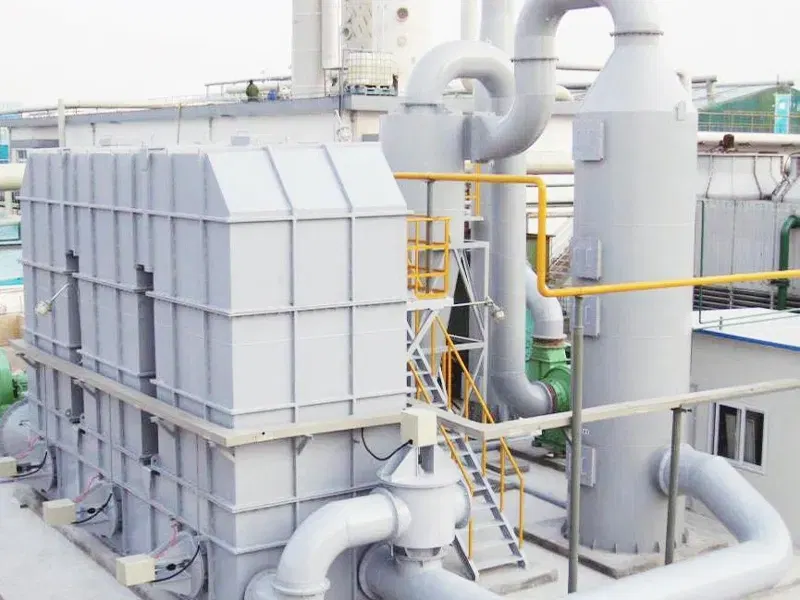
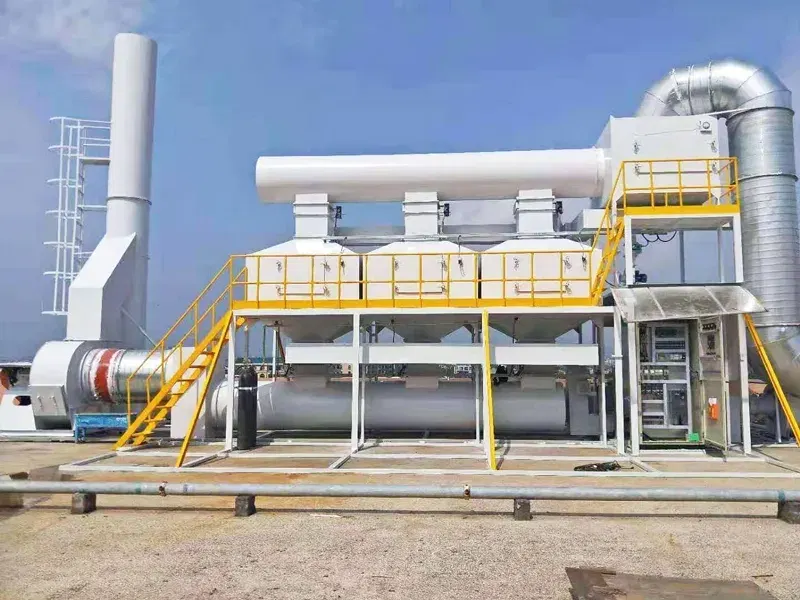
Venturi Wet Dust Collector

![loading... [608x456]](/assets/ji-heng-media/3066/general/tGFNYMXnp3AJrbWW/21__q_9c292374e3.webp)
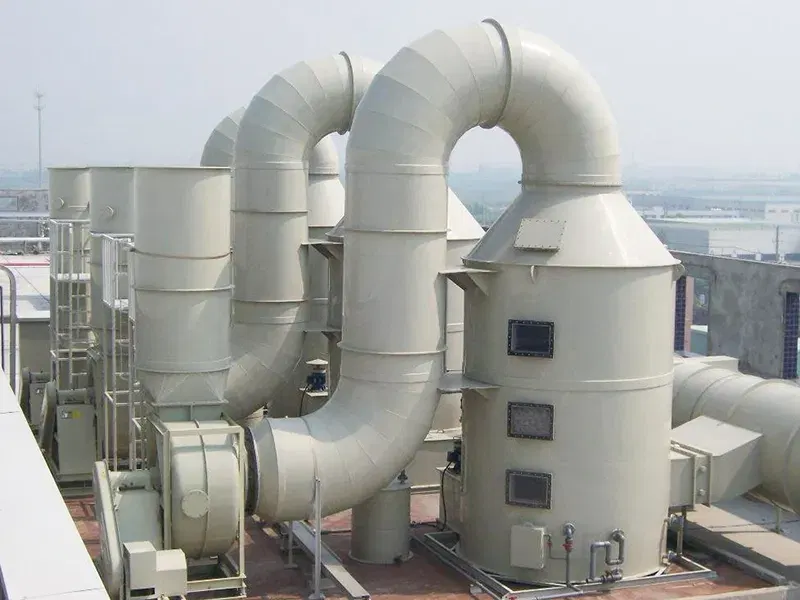
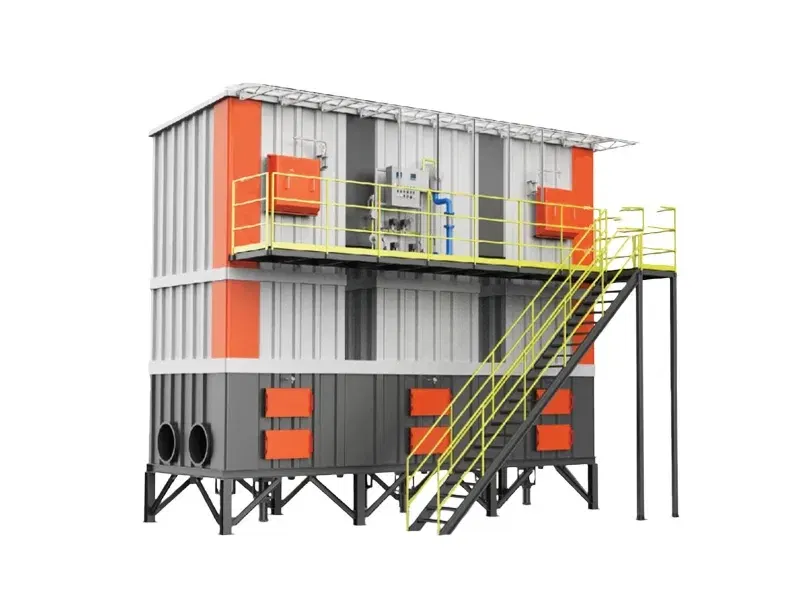
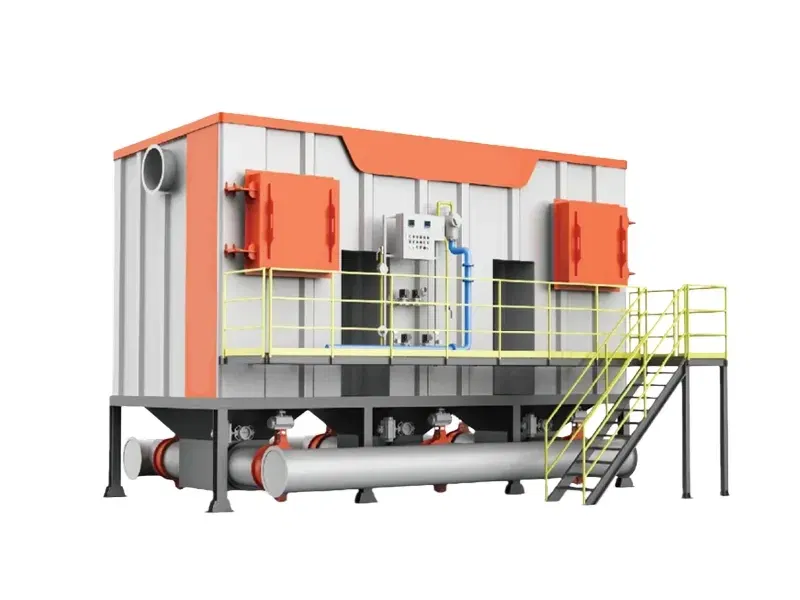
The dust and fumes are captured at the source of dust generation and transported through a piping system to the inlet of the separator. It then enters the spraying area, where water is sprayed out in a dense mist through rapid acceleration of the airflow at the closest point, forming a uniform water mist curtain to wet the dust. The strong rotational force generated by the separator casing, aided by the centrifugal force of the airflow, separates the water droplets. The cleaned airflow passes through a buffer and de-swirling section into a radial fan, and then is discharged from the exhaust port to the indoor or outdoor environment. The separated dust settles down and is transported out through a waste dust treatment system.
1. Designed according to the Venturi principle for handling high-concentration dust, washing water is injected into the upstream area of the Venturi tube. The Venturi effect accelerates the airflow, and the water flow is broken down into fine droplets.
2. In the throat of the Venturi tube, the dust-laden exhaust gas and water droplets interact strongly, and the pollutant particles and water droplets are thoroughly mixed. The washed gas and dust-laden droplets tangentially enter the downstream centrifugal separation structure for separation.
3. In the washing water collection area, sedimentation separates the pollutants.
4. The bottom sediment can be collected and cleaned in various ways.
▶ Product Features
1. Due to the simultaneous mass and heat transfer processes during gas-liquid contact, this type of dust collector not to only removes dust but also cools flue gas and absorbs harmful gases.
2. Suitable for handling high-temperature, flammable, explosive, and harmful gases.
3. Suitable for handling dust containing water, oil, and sticky particles.
4. Excellent separation effect and high purification efficiency.
5. No filter element required, eliminating clogging problems.
6. Simple structure, small footprint, and low investment.
7. Safe operation, easy operation and maintenance.
8. Ultra-low maintenance costs.
▶ Application Areas
Carbonaceous dust: Furnaces, ash, clay applications, mixing plants, tire production, cement manufacturing, mining, pigment production
Flammable and explosive dust: Grinding processes, post-processing polishing, jet machines, explosive production waste recycling and drying equipment, grain processing, printed circuit board production, brake testing equipment, power plant technology, mining
Sticky dust: Pharmaceutical industry, food, animal feed, paint, plastic products, mold making. Printing presses, tires, chips, ceramic coatings, adhesives, textile finishing, mixing and conveying equipment production
Steam and oil mist: Heat treatment, waste treatment plants, die-casting machines, cutting equipment, paint sprayers, welding, refrigerators, electrical discharge machining tools, paint removal equipment, electroplating, lead smelting plants, galvanizing plants, ingot casting plants
Rubber/leather/plastic powder: Shoe manufacturing, tire production, plastic processing, foil production, extrusion
Fiber/fluff/textile dust: Polishing processes, waste sorting systems, textile processing, recycling processing, insulation material production, asbestos handling
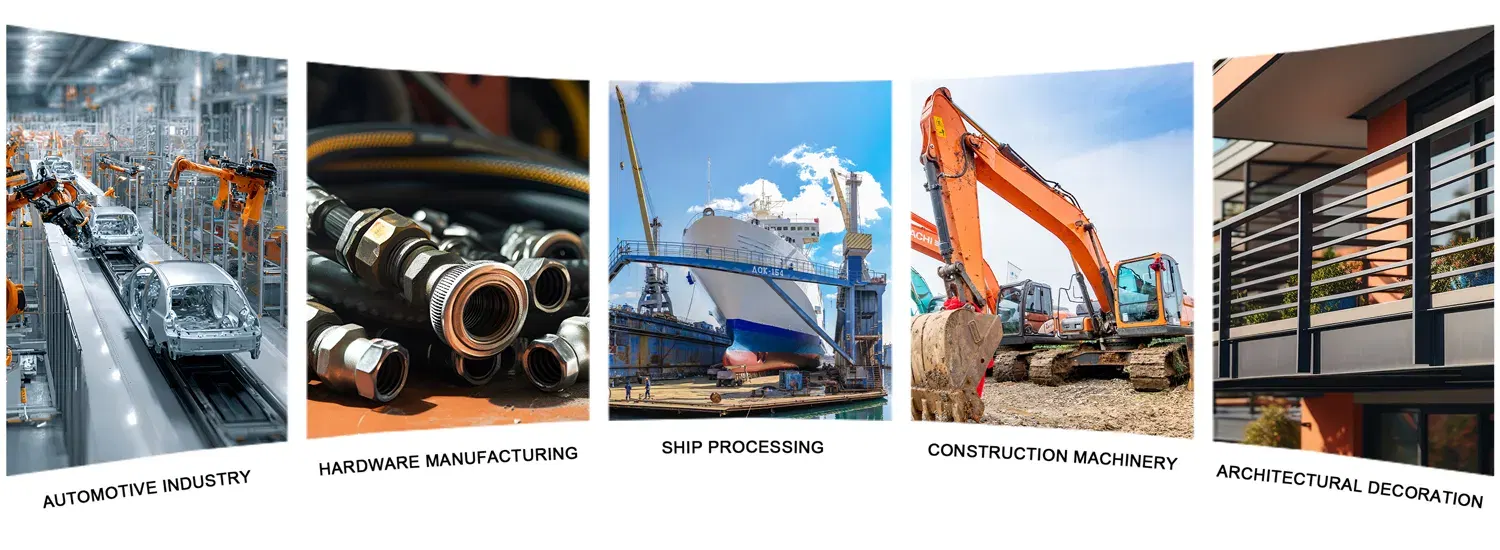
▶ Application Industry
▶ FAQ
How do we choose the right type of dust removal equipment?
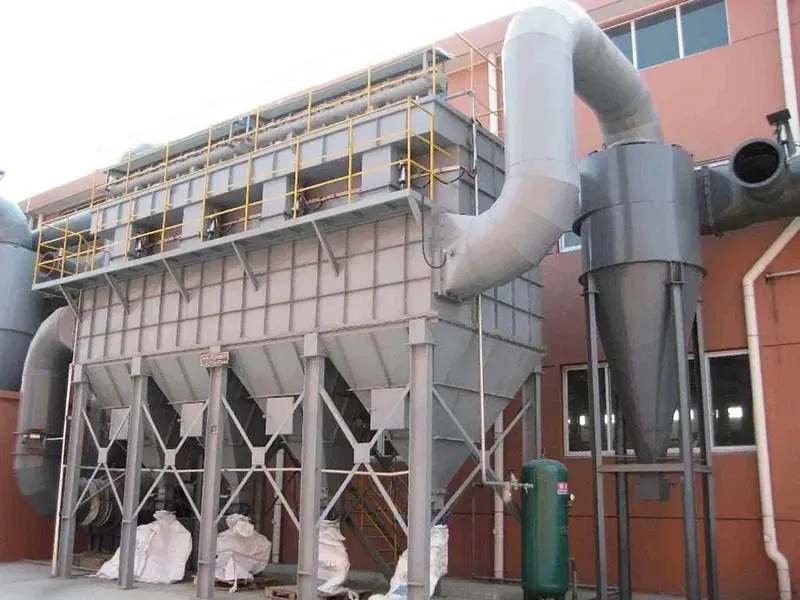
When selecting dust removal equipment, factors such as dust concentration, particle size, gas temperature, humidity, air volume, spatial layout, and industry characteristics should be considered. For example, a spray paint shop might choose a cartridge dust collector, while a cement plant would be more suitable for a bag filter or electrostatic dust collector. We recommend contacting a technical engineer for an on-site assessment and air volume calculation to ensure efficient and stable system operation.
Does the dust removal equipment require frequent manual intervention during operation?
No. Modern dust removal equipment is typically equipped with a fully automatic control system that enables scheduled cleaning, pressure differential feedback cleaning, and remote monitoring. Operators only need to regularly inspect the equipment's operating status and clean the dust collection box, significantly reducing manual intervention. Filter media replacement is also very simple, resulting in low O&M costs.
Will the dust collection system cause excessive noise or air loss?
Noise control and airflow optimization are incorporated into the equipment design. The fan is designed to be low-noise and can be fitted with a soundproof enclosure to effectively control operating noise. Furthermore, appropriate air volume calculation and sealing structure ensure that the dust removal process does not cause significant negative pressure or air loss in the workshop environment, improving air quality.

Contact US
Product Information
Quantity
Unit
Piece
Support order samples, customization, wholesale direct, and complete payment. If the product you look for does not have corresponding customized content, pls fill out the form below to contact us, and we will reply ASAP.