Spray Painting Equipment
Explore Spray Painting Equipment from JI Heng Technology, including technical details for industrial coating and surface treatment projects.
- Custom engineering for your workpiece and process
- ISO certified manufacturing
- Installation and commissioning support
- Export-ready project coordination
Product details
| Equipment Name | Project | Specification |
|---|---|---|
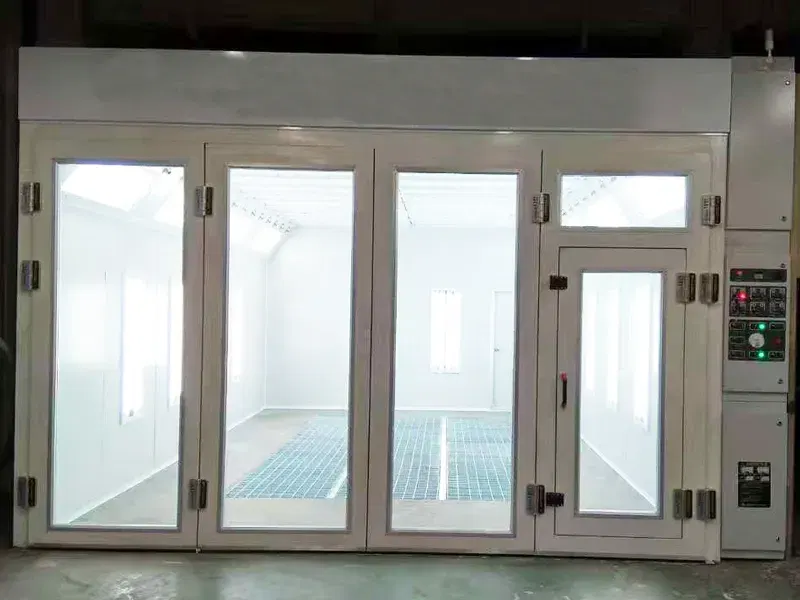
| Chamber Body | Model | LJ-D7000BE (Infrared Electric Heating Model) |
| Overall Dimensions (L×W×H) | 6990 × 5560 × 3330 mm (including base; excluding air ducts) | |
| Chamber Exterior Dimensions (L×W×H) | 6990 × 4010 × 3050 mm | |
| Chamber Interior Dimensions (L×W×H) | 6870 × 3890 × 2650 mm | |
| Roof Panel | 0.8 mm Single-layer Galvanized Steel | |
| Main Door | 3000 × 2600 mm (W × H) Sheet Metal Main Door; features external door latches, aluminum alloy hinges, EPDM sealing strips, square tempered glass observation windows with aluminum alloy frames (Glass dimensions: 1750 × 550 mm [W × H]); Door frame exterior: Orange-Yellow; Interior: White-Gray; Three-panel front header doors: White-Gray (interior and exterior) | |
| Frame Structure | Aluminum alloy vertical columns on all four sides; remaining framework constructed from formed galvanized steel panels | |
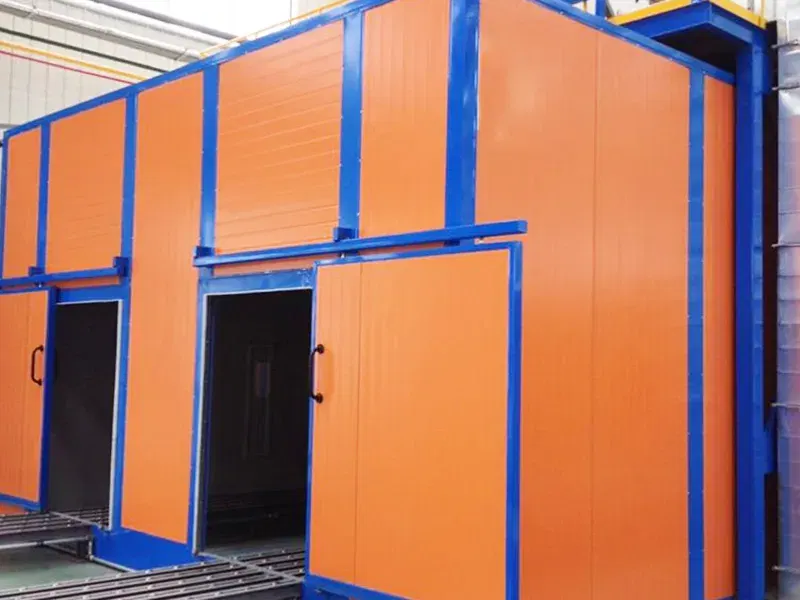
| Wall Panels | 60 mm Rock Wool Panels; 0.426 mm White-Gray color-coated steel sheets on both interior and exterior surfaces; 58 mm rock wool insulation filling; protective film coating on the surface | |
| Base | Frame Structure | Height: 280 mm; Front section: 1.5 mm folded steel; Left and right sections: 1.2 mm folded galvanized steel |
| Support Beams | 80 × 40 × 2 mm Rectangular Steel Tubing; 4 rows | |
| Tread Plate | 3 rows of 4 mm-thick Tread Plate | |
| Floor Grating | Constructed from 30 × 5 mm Flat Steel Bars; 2 rows; Fiberglass filter mats installed underneath to filter paint mist | |
| Ramp | 2 Ramp Units; 1 Step Platform | |
| Ceiling Filtration | Filter Cotton | Primary Panel Filtration + C600 Medium-Efficiency Filtration |
| Roof Frame | Powder-Coated C-Channel Steel Structure | |
| Roof Components | Galvanized Steel Beams: Crossbeams (δ=1.5mm) and longitudinal beams (δ=1.2mm) are precision-formed from galvanized sheet metal and secured via bolted connections. | |
| Heating System | Heater | Ten sets of infrared halogen curing lamps: 620 × 530 double-door configuration; featuring stainless steel housings, mirror-finish stainless steel reflectors, and front-mounted metal dust shields. Arrangement: four sets on each side wall and two sets on the rear wall; fixed external mounting; Power: 3 kW per set. |
| Generator Room | Aluminum alloy corner joints and profile-based frame structure; exterior cladding consists of 1.2mm powder-coated galvanized steel panels; equipped with panel-type primary filtration. | |
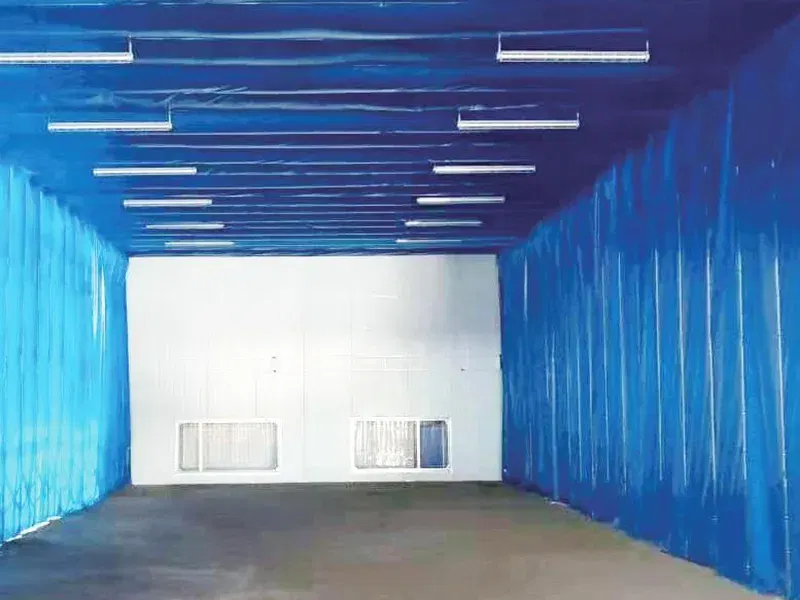
| Lighting | Fluorescent Lamp | 8 sets of 4 × 18W ceiling lights, installed at a 45° incline, utilizing LED tubes. |
| Air Supply System | Fan | YDW-11-4.5AL1 Centrifugal Fan: Power: 3 kW per unit; Quantity: 2 units. |
| Air Supply Fan Base | 2500 × 1450 × 820 (L × W × H); features aluminum alloy corner joints and a profile-based frame structure; exterior cladding consists of 1.2mm powder-coated galvanized steel panels. | |
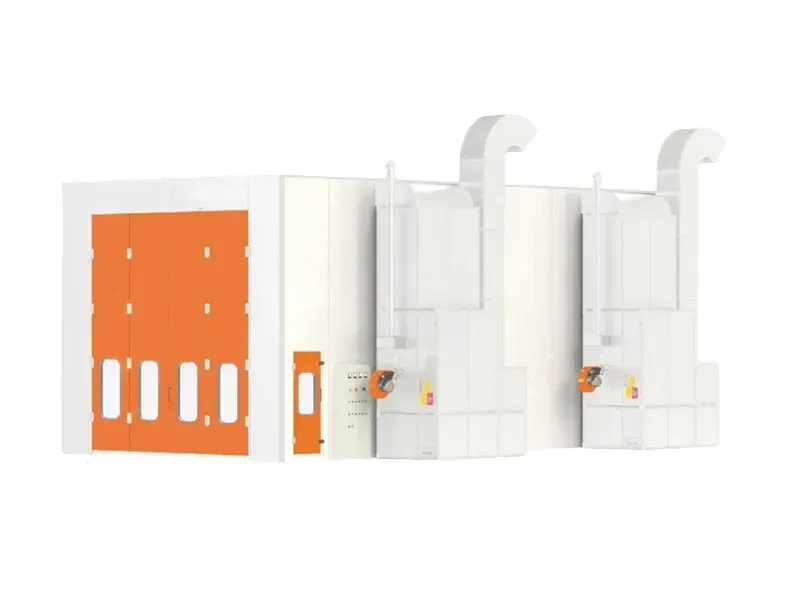
| Exhaust Fan | Environmental Protection Unit | M-Type Fiberglass Filtration + Activated Carbon Adsorption. |
| Fan | YDW-11-5.0A Centrifugal Fan: Power: 5.5 kW per unit; Quantity: 1 unit. | |
| Air Exhaust Fan Base | 790 × 1450 × 850 (L × W × H); features aluminum alloy corner joints and a profile-based frame structure; exterior cladding consists of 1.2mm powder-coated galvanized steel panels. | |
| Air Duct | Ductwork: Two sections of 600 × 600 × 1250 ducting plus one 150° elbow section; fabricated from 0.8mm folded galvanized steel sheet with angle-iron flanges. | |
| Electrical Control | Standard Wall-Mounted Control Cabinet: Features a 5-way 380V electric heating circuit and utilizes electrical components from renowned domestic and international brands (e.g., Siemens contactors); includes an exhaust-side differential pressure switch with alarm function, as well as a differential pressure display for the booth interior. |
Spray painting equipment is a type of industrial equipment that evenly applies liquid paint to the surface of a workpiece. It is widely used in manufacturing industries such as automobiles, furniture, home appliances, ships, hardware, and aviation. Its core function is to atomize the paint through high pressure or pneumatic means and spray it onto the surface of the object under certain airflow control and environmental conditions, thereby forming an aesthetically pleasing, durable, and highly functional coating.
▶ Structural Composition
Spray Gun System
This includes handheld or automatic spray guns with adjustable spray width, spray angle, pressure, and flow rate. High-end equipment supports automatic adjustment of atomized particles to achieve varying spray thickness and effects.
Paint Supply System
This includes a pressure tank, paint pump, hoses, and pressure regulating valves, ensuring stable paint delivery. High-volume equipment is equipped with a circulating paint supply system to improve supply continuity.
Spray Control System
Spray parameters (such as flow rate, path, and gun movement) are programmable and controlled via a PLC controller, touch panel, or industrial PC to ensure consistent and repeatable application.
Spray Booth Structure (Optional)
This includes ventilation systems, filtration systems, lighting, explosion-proof electrical appliances, and safety doors, providing a work environment that meets environmental and safety standards.
Automation (Optional)
Spray robots, automatic lifts, and rail slides automatically track and spray according to workpiece size and shape, enabling the coating of complex three-dimensional surfaces.
▶ Advantages
- Uniform coating with strong adhesion
Modern spray painting equipment precisely controls parameters such as atomized particle size, spray width, and pressure to achieve a smooth, uniform, and drip-free coating, enhancing both surface decorative and protective properties.
- High degree of automation, reducing labor costs
Combined with robotic arms and control systems, it enables 24/7 continuous operation, significantly improving production efficiency and reducing human error and paint defects.
- Environmentally friendly and energy-saving design
Enclosed spray booths are equipped with high-efficiency filtration and VOC purification systems to effectively control harmful gas emissions, meet national environmental standards, and improve the working environment.
- High adaptability, supporting a wide range of product types
The equipment supports switching between multiple spray programs, rapid cleaning, and color changes, making it suitable for flexible manufacturing and customized order processing.
- MES/ERP system integration
Some high-end spray lines can be integrated with factory information systems to enable order-driven operation, optimized spray paths, and process data collection and traceability.
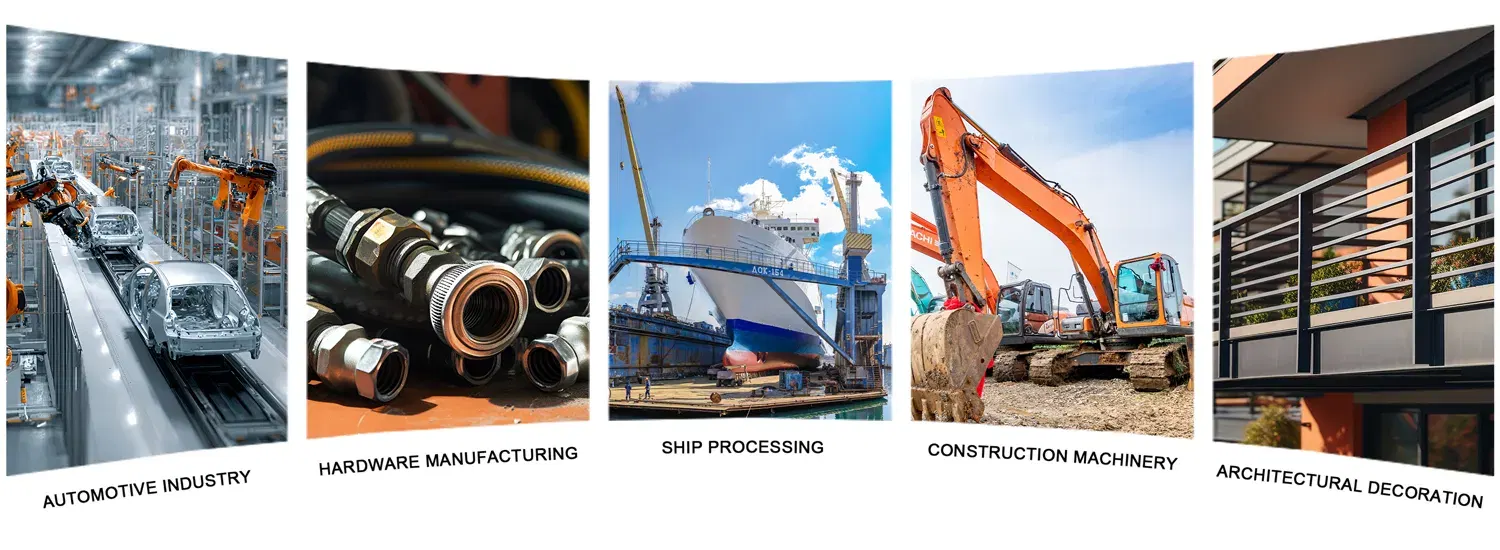
▶ Application Industry
▶ FAQ
How to choose the right type of spray painting equipment?
Selecting spray painting equipment requires comprehensive consideration of factors such as product material, surface requirements, production volume, and environmental requirements. For complex workpieces and large batch sizes, an automated spray line or spray robot is recommended. For diverse products and small batch sizes, a manual or semi-automatic spray system is recommended. Additionally, factors such as the need for electrostatic spraying, the frequency of color changes, and the degree of enclosure required for the work environment should be considered. It is recommended that a professional manufacturer provide personalized selection advice.
Does the spray painting equipment meet environmental requirements?
Modern spray painting equipment is generally equipped with a multi-stage filtration system, including paint mist filters, activated carbon adsorption chambers, and photocatalytic devices, which effectively treat volatile organic compounds (VOCs) generated during the painting process. For areas with strict emission requirements, it is recommended to configure an enclosed spray booth and connect it to an online environmental monitoring system to ensure compliance with local environmental protection bureau standards and pass environmental impact assessments.
What maintenance tasks are essential during daily operation of spray painting equipment?
Daily maintenance of spray painting equipment primarily includes cleaning the spray gun, preventing blockages, checking for leaks in the paint supply system, replacing the air filtration system, and inspecting the spray booth seals. Regularly calibrate spray parameters, check fan and pressure gauge readings, and maintain stable equipment conditions. Especially during frequent color changes or continuous operation, prompt and thorough cleaning is essential to prevent paint drying, color contamination, and deterioration in spray quality. It is recommended to maintain an equipment maintenance log and schedule regular maintenance.