-
tel:
+86 13770027118 -
email:
[email protected]

RCN Series Wet Dust Collectors

![loading... [608x456]](/assets/ji-heng-media/3066/general/cT3Fdmki727CTBJE/20__q_9c292374e3.webp)
RCN Series Wet Dust Collectors
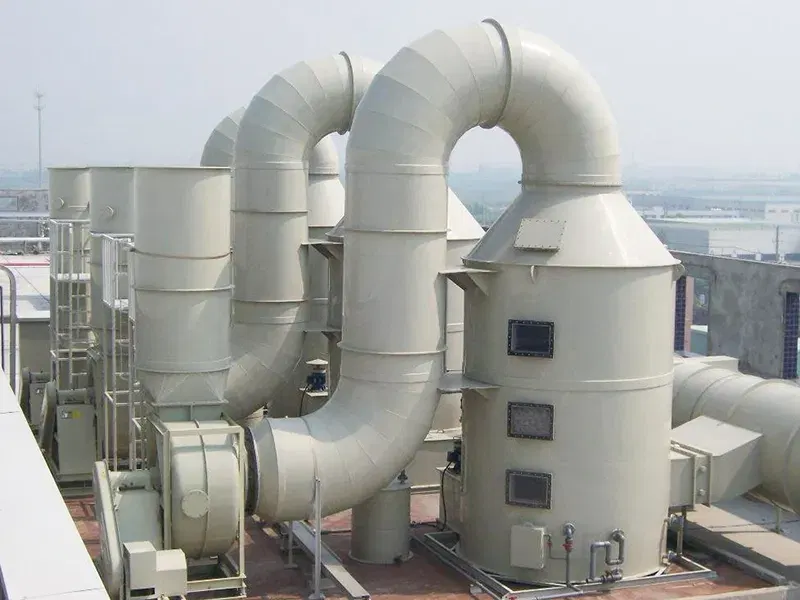
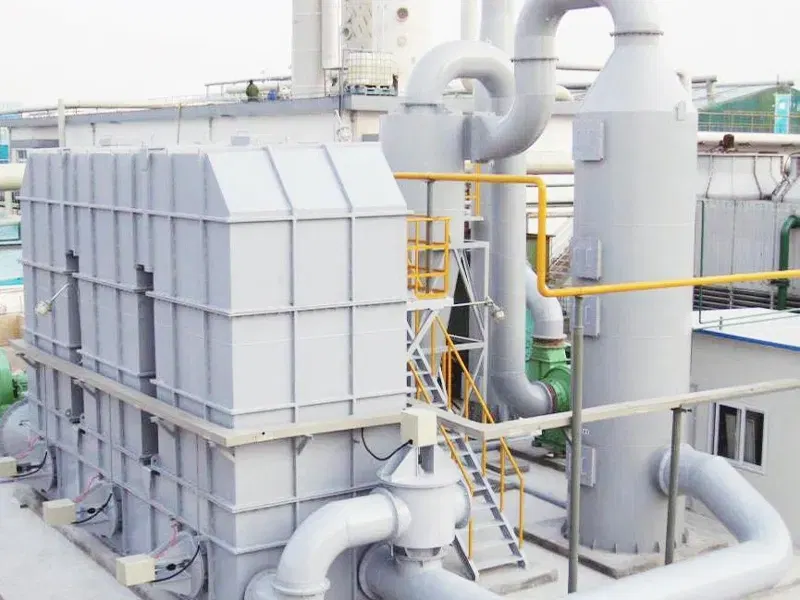
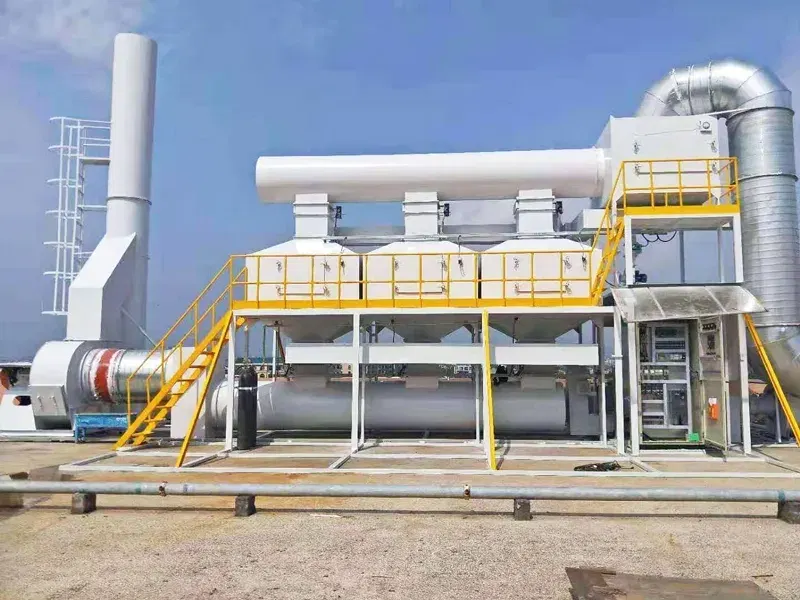
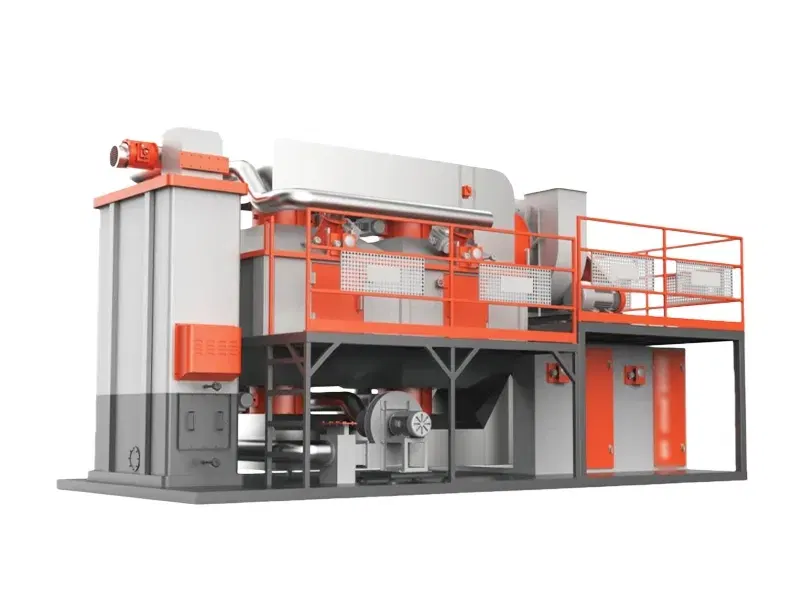
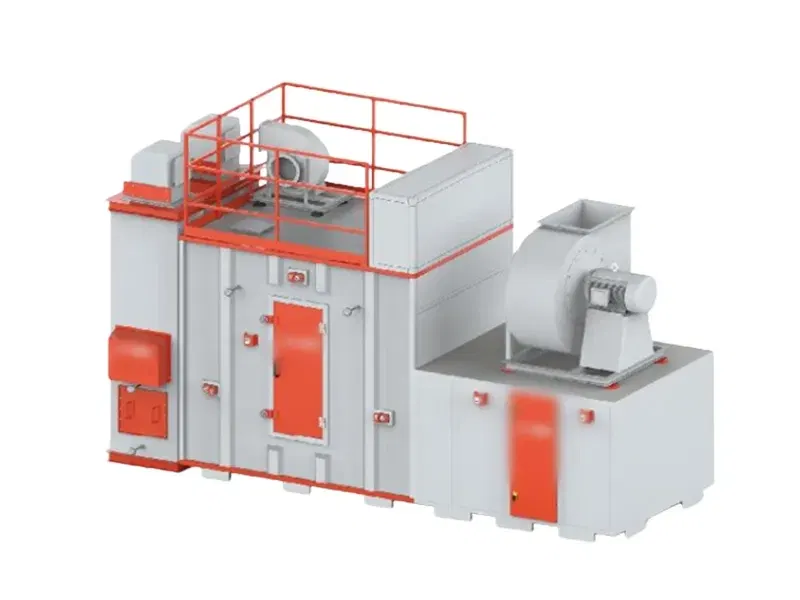
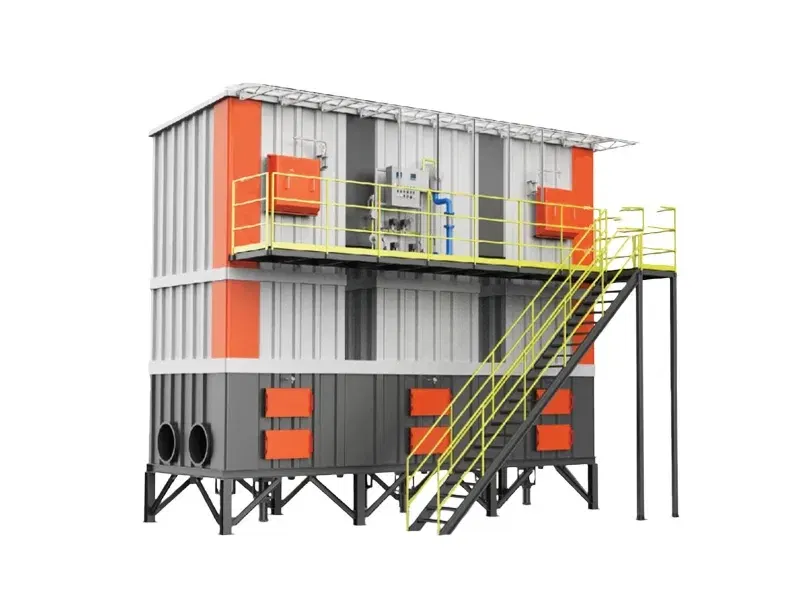
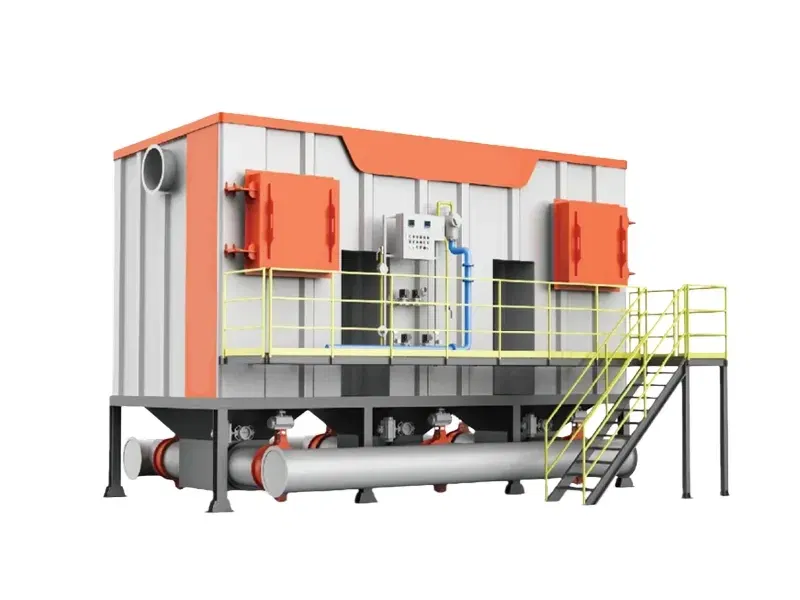
The RCN wet dust collector utilizes centrifugal force to thoroughly mix water and dust-laden gas, discharging clean air. As the dust-laden airflow passes through a stationary impeller partially submerged in water, a water curtain is created, and dust is removed as it passes through this curtain. The high-speed airflow through the impeller blades forms a turbulent water curtain. A specially designed groove at the bottom of the blades supplies additional water to the narrowest part of the impeller opening. The upward flow of water through this groove increases the interaction between dust and water, thereby improving dust collection efficiency.
▶ Equipment Features:
Wet scrubbers combine high efficiency, low maintenance costs, simplicity, flexibility, low water consumption, and robust practicality.
High efficiency: They maximize energy utilization and maintain high dust collection efficiency. NRC series wet scrubbers offer a choice of medium and high dust collection efficiency, meeting project needs with minimal energy consumption.
Low maintenance costs: Wet scrubbers can operate continuously with minimal maintenance. The absence of complex surfaces and narrow air passages minimizes dust accumulation or blockage. Quick-release handles on the inspection doors allow for easy access to inspect the scrubber chamber. There are no nozzle clogging issues, and the only moving parts are the fan blades and the automatic slag remover.
Flexibility: If a change in dust collection efficiency is required, it only requires a simple adjustment of the water level and a corresponding adjustment of the exhaust fan specifications to increase or decrease the collection efficiency. The carefully designed impeller blades generate a higher pressure drop and higher airflow velocity to increase collection efficiency.
Low water consumption: The carefully designed water level control system minimizes water consumption, requiring only a small amount of makeup water to compensate for water loss due to evaporation or removal by the slag remover.
Durable and reliable: Made of high-grade hot-rolled carbon steel, it is resistant to corrosive environments and can be coated with epoxy paint or constructed with stainless steel for use in corrosive environments. It can operate for many years and provide satisfactory performance for customers.
Excellent performance: It maximizes energy utilization and achieves high-efficiency dust collection for many different types and sizes of dust particles, including ultrafine dust. The carefully designed impeller blades facilitate cleaning, thoroughly wetting the fine dust in the dust-laden gas and causing the particles to expand. Due to the expansion of the dust particles, they become significantly more sensitive to centrifugal force, making it easier for them to penetrate the water curtain and settle out of the gas.
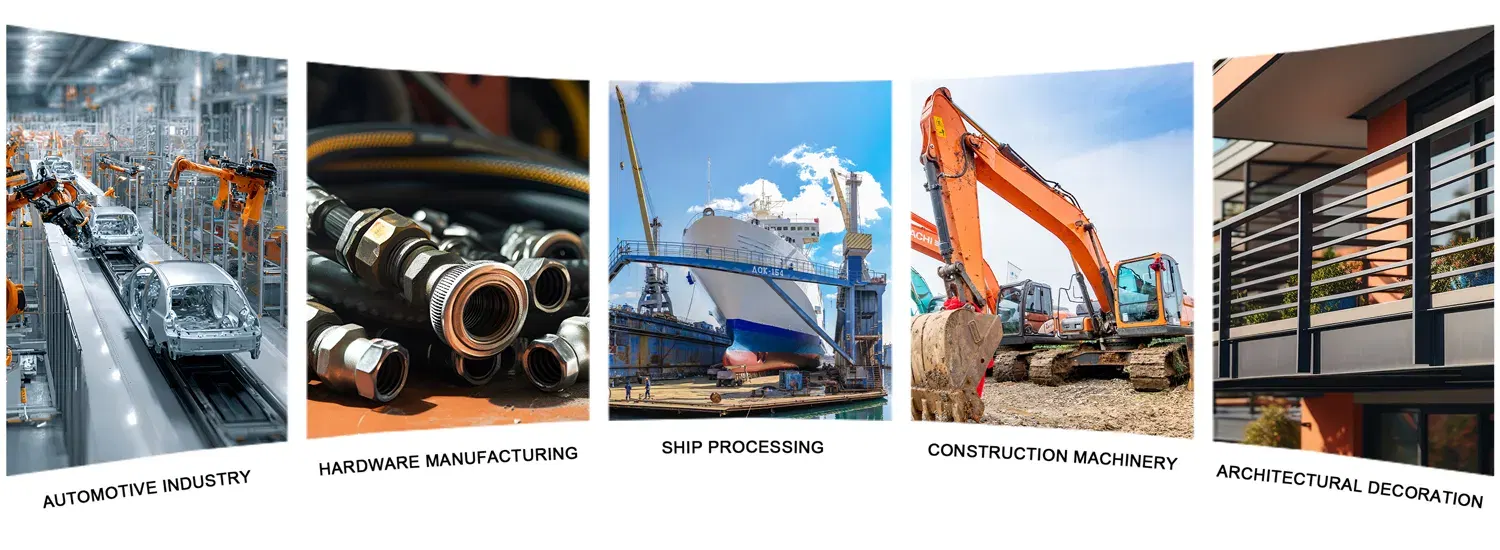
▶ Application Industry
▶ FAQ
How do we choose the right type of dust removal equipment?
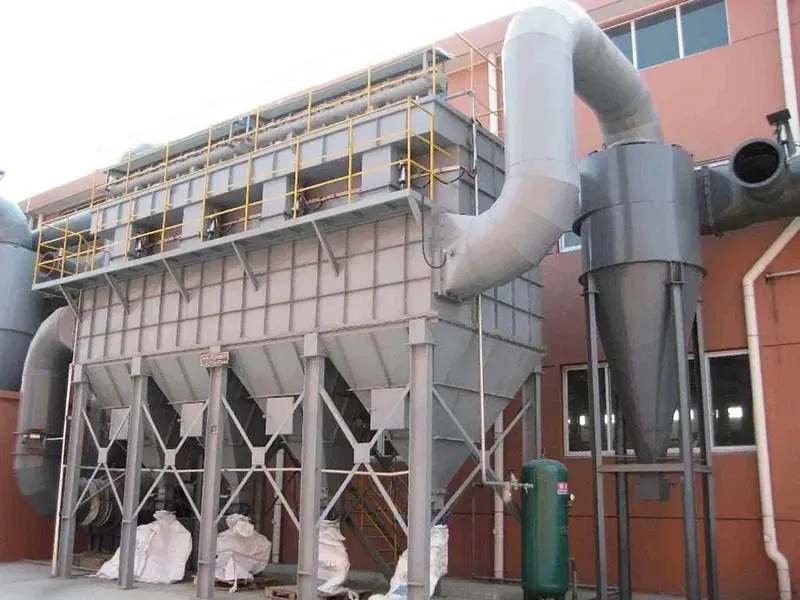
When selecting dust removal equipment, factors such as dust concentration, particle size, gas temperature, humidity, air volume, spatial layout, and industry characteristics should be considered. For example, a spray paint shop might choose a cartridge dust collector, while a cement plant would be more suitable for a bag filter or electrostatic dust collector. We recommend contacting a technical engineer for an on-site assessment and air volume calculation to ensure efficient and stable system operation.
Does the dust removal equipment require frequent manual intervention during operation?
No. Modern dust removal equipment is typically equipped with a fully automatic control system that enables scheduled cleaning, pressure differential feedback cleaning, and remote monitoring. Operators only need to regularly inspect the equipment's operating status and clean the dust collection box, significantly reducing manual intervention. Filter media replacement is also very simple, resulting in low O&M costs.
Will the dust collection system cause excessive noise or air loss?
Noise control and airflow optimization are incorporated into the equipment design. The fan is designed to be low-noise and can be fitted with a soundproof enclosure to effectively control operating noise. Furthermore, appropriate air volume calculation and sealing structure ensure that the dust removal process does not cause significant negative pressure or air loss in the workshop environment, improving air quality.

Contact US
Product Information
Quantity
Unit
Piece
Support order samples, customization, wholesale direct, and complete payment. If the product you look for does not have corresponding customized content, pls fill out the form below to contact us, and we will reply ASAP.