Industrial Dust Removal Equipment
Explore Industrial Dust Removal Equipment from JI Heng Technology, including technical details for industrial coating and surface treatment projects.
- Custom engineering for your workpiece and process
- ISO certified manufacturing
- Installation and commissioning support
- Export-ready project coordination
Product details
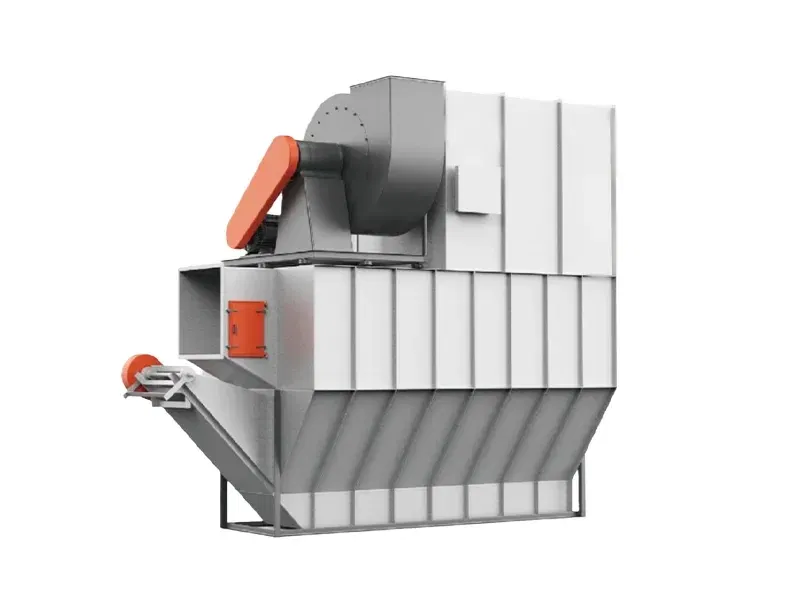
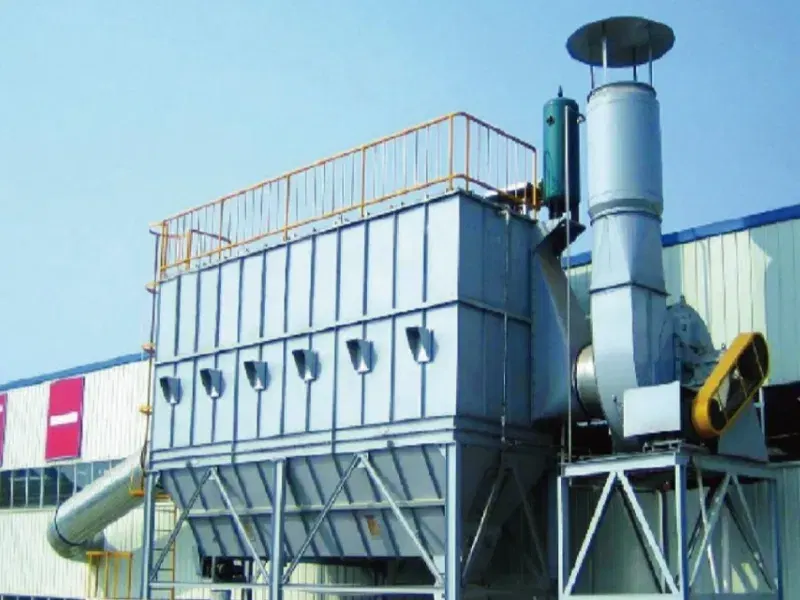
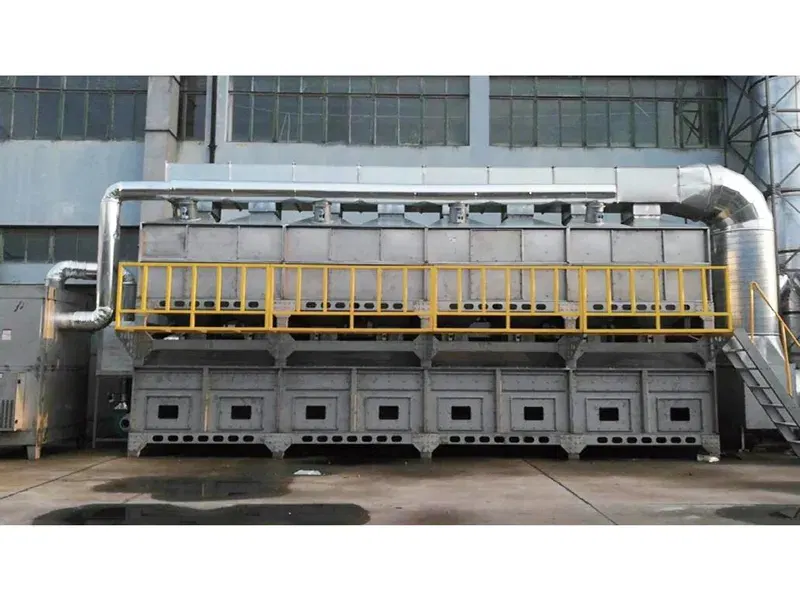
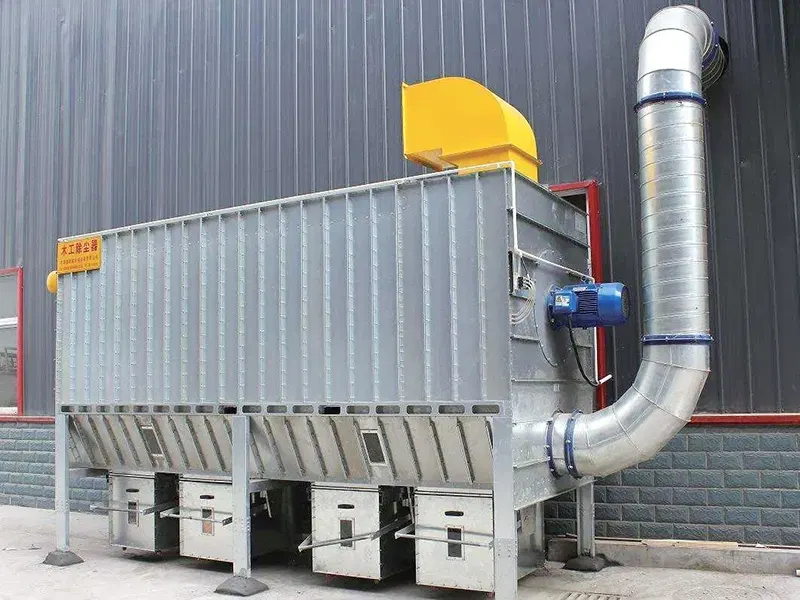
Dust removal equipment is an environmentally friendly device used to capture, filter, and discharge dust particles during industrial production processes. Its core objectives are to improve the working environment, reduce air pollution, and protect the health of operators, while complying with national environmental emission standards. Dust removal equipment is widely used in metallurgy, chemical engineering, cement, casting, woodworking, spray painting, pharmaceuticals, building materials, electronics, and other fields, and is a key component of modern factory dust control and green manufacturing.
▶ Product Structure
The core structure of dust removal equipment typically includes the following components:
Air Intake System
Dust-laden air is transported into the dust removal equipment through pipes. A pre-separation structure is typically installed to reduce the load on the main filtration system.
The filtration system
This is the core area of the equipment, responsible for capturing dust particles. Depending on the process, materials such as filter bags, filter cartridges, electrode plates, or filter screens may be used to achieve efficient interception.
Cleaning Device
During long-term operation, dust accumulation on the surface of the filter elements gradually increases, requiring periodic cleaning through methods such as pulse jets, mechanical vibration, or backwash to restore permeability.
Dust Collection System
Intercepted dust is ultimately deposited in a dust collection bin or hopper, where it is periodically cleaned or automatically discharged to a waste bin or recycling system via a conveyor.
The Fan and Exhaust System
This provides negative pressure or ventilation to ensure smooth entry of dust-laden air into the equipment and maintain normal airflow.
The Electronic Control System
Comprising a PLC controller, solenoid valves, differential pressure sensors, and a timer controller, it implements intelligent functions such as equipment start and stop, automatic cleaning, and abnormality alarms.
The entire system is usually a closed structure to ensure that there is no secondary dust. At the same time, special materials such as explosion-proof, high-temperature resistant or corrosion-resistant can be configured according to the application scenario.
▶ Main Types
Bag Filter
Uses high-efficiency filter bags to capture dust and is suitable for most industrial dust removal scenarios. It boasts high dust removal efficiency, strong adaptability, and easy maintenance, making it the most widely used type of dust removal equipment.
Cartridge Filter
With its compact structure and small footprint, it is suitable for locations with fine particles and limited space, such as paint shops and electronic assembly plants. Its pleated filter cartridges provide a large filtration area and excellent dust removal performance.
Electrostatic Precipitator
Suitable for handling high-volume, high-temperature, and high-concentration dust, it is particularly used in power plants, steel, and cement industries. A high-voltage electric field charges dust particles and attracts them to electrode plates.
Wet Scrubber
Uses water mist or liquid impingement to bind dust particles. It is suitable for handling sticky, flammable, or explosive dust and can also partially purify hazardous gases.
Pulse Jet Filter
This filter uses instantaneous backwashing of compressed air to clean dust, making it suitable for continuous operation. Pulse jet cleaning offers high efficiency and is suitable for collecting all types of dust.
▶ Advantages
High Dust Removal Efficiency
Most equipment achieves dust removal efficiencies exceeding 99%, meeting various industrial dust emission standards. Bag-type dust collectors, in particular, possess exceptionally strong capture capabilities for fine dust.
Proven Structure, Stable Operation
The system design is mature and proven across multiple industries, ensuring stable operation and a long maintenance cycle. It adapts to complex environments such as high temperature, high humidity, and high dust concentrations.
Intelligent Control, Automatic Cleaning
Equipped with an intelligent control system, it supports timed cleaning and pressure differential sensing cleaning, effectively reducing manual operation and ensuring long-term, efficient operation.
Strong Customization Capabilities, Wide Adaptability
Customization is supported, allowing for flexible configuration and selection based on specific industries, plant space, dust types, and temperature levels, enhancing suitability and compatibility.
Safe, Environmentally Friendly, and Energy-Saving
The equipment offers excellent sealing performance, preventing secondary dust entrainment. Optional explosion-proof construction and low-noise fans meet green factory construction and occupational health requirements.
Easy maintenance and low operating costs.
Filter media replacement is simple, filter bags and cartridges have a long service life, and intelligent control reduces energy consumption, resulting in overall operating costs lower than traditional dust removal methods.
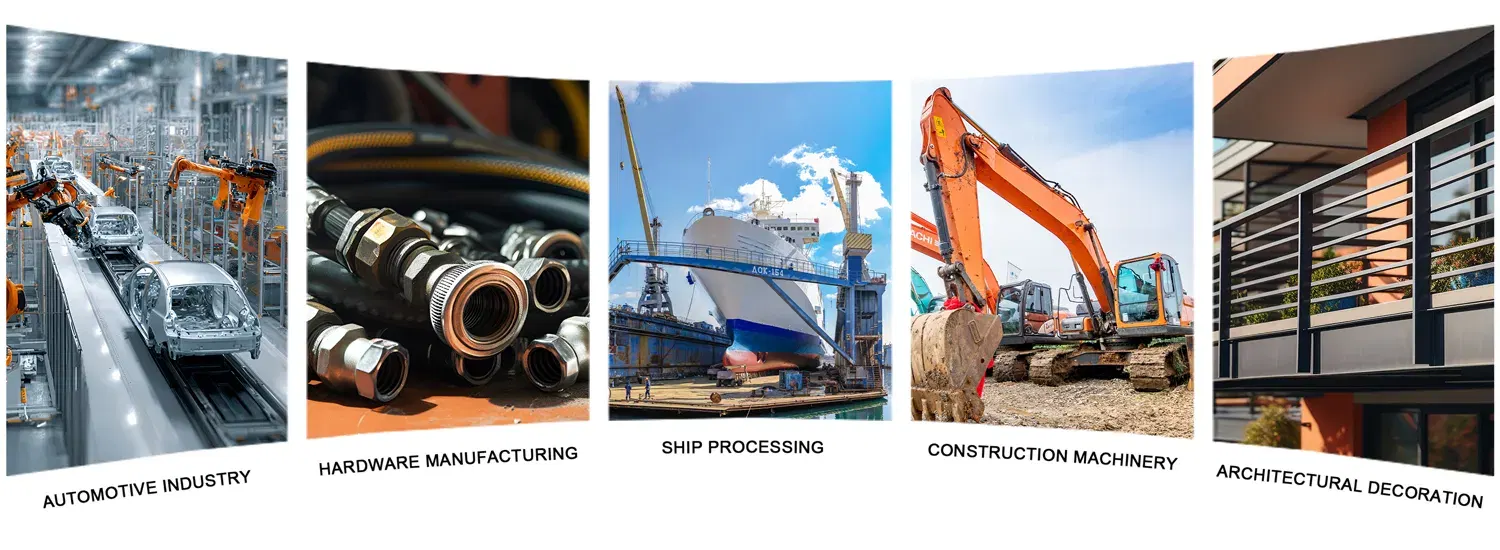
▶ Application Industry
▶ FAQ
How do we choose the right type of dust removal equipment?
When selecting dust removal equipment, factors such as dust concentration, particle size, gas temperature, humidity, air volume, spatial layout, and industry characteristics should be considered. For example, a spray paint shop might choose a cartridge dust collector, while a cement plant would be more suitable for a bag filter or electrostatic dust collector. We recommend contacting a technical engineer for an on-site assessment and air volume calculation to ensure efficient and stable system operation.
Does the dust removal equipment require frequent manual intervention during operation?
No. Modern dust removal equipment is typically equipped with a fully automatic control system that enables scheduled cleaning, pressure differential feedback cleaning, and remote monitoring. Operators only need to regularly inspect the equipment's operating status and clean the dust collection box, significantly reducing manual intervention. Filter media replacement is also very simple, resulting in low O&M costs.
Will the dust collection system cause excessive noise or air loss?
Noise control and airflow optimization are incorporated into the equipment design. The fan is designed to be low-noise and can be fitted with a soundproof enclosure to effectively control operating noise. Furthermore, appropriate air volume calculation and sealing structure ensure that the dust removal process does not cause significant negative pressure or air loss in the workshop environment, improving air quality.