-
tel:
+86 13770027118 -
email:
[email protected]

Grinding Room

![loading... [608x456]](/assets/ji-heng-media/3066/general/YZZGJDZa6csKyeN2/7__q_9c292374e3.webp)
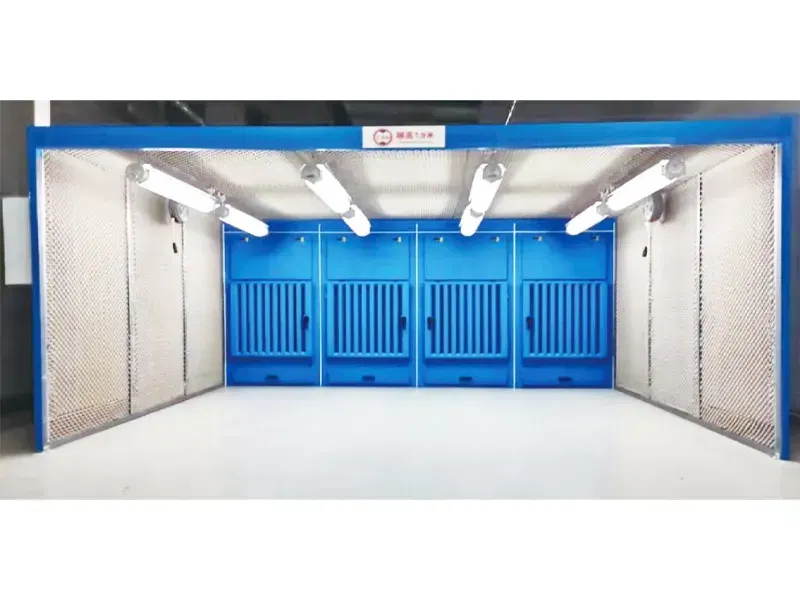
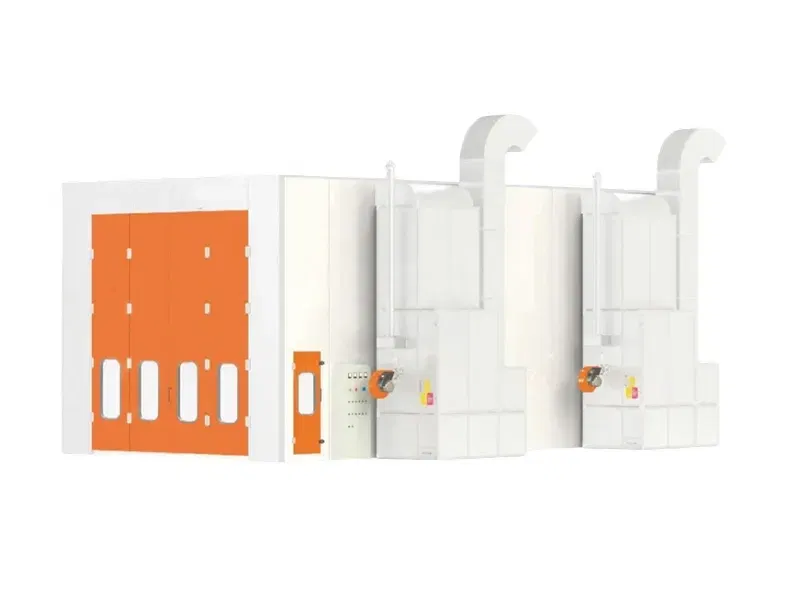
After the dust-laden gas enters the dust collector's hopper, due to the rapid expansion of the airflow cross-section and the action of the airflow distribution plate, some of the larger particles in the airflow settle in the hopper under the action of centrifugal force; finer and less dense dust particles enter the filter chamber, and through a combination of effects such as Brownian diffusion and sieving, the dust is deposited on the surface of the filter material. The purified gas enters the clean gas chamber and is discharged by the exhaust fan.
The resistance of the bag filter increases with the increase in the thickness of the dust layer on the filter material surface. When the resistance reaches a certain specified value, dust removal is performed. At this time, the PLC controls the opening and closing of the pulse valve, and then the electromagnetic pulse valve opens. Compressed air rapidly expands in the upper chamber for a short time, enters the filter cartridge, and under the action of reverse airflow flushing, the dust attached to the outer surface of the filter cartridge is peeled off and falls into the hopper. After the dust removal is completed, the electromagnetic pulse valve closes, and the filtration state is restored. The detached dust falls into the hopper and is discharged through the ash discharge valve.
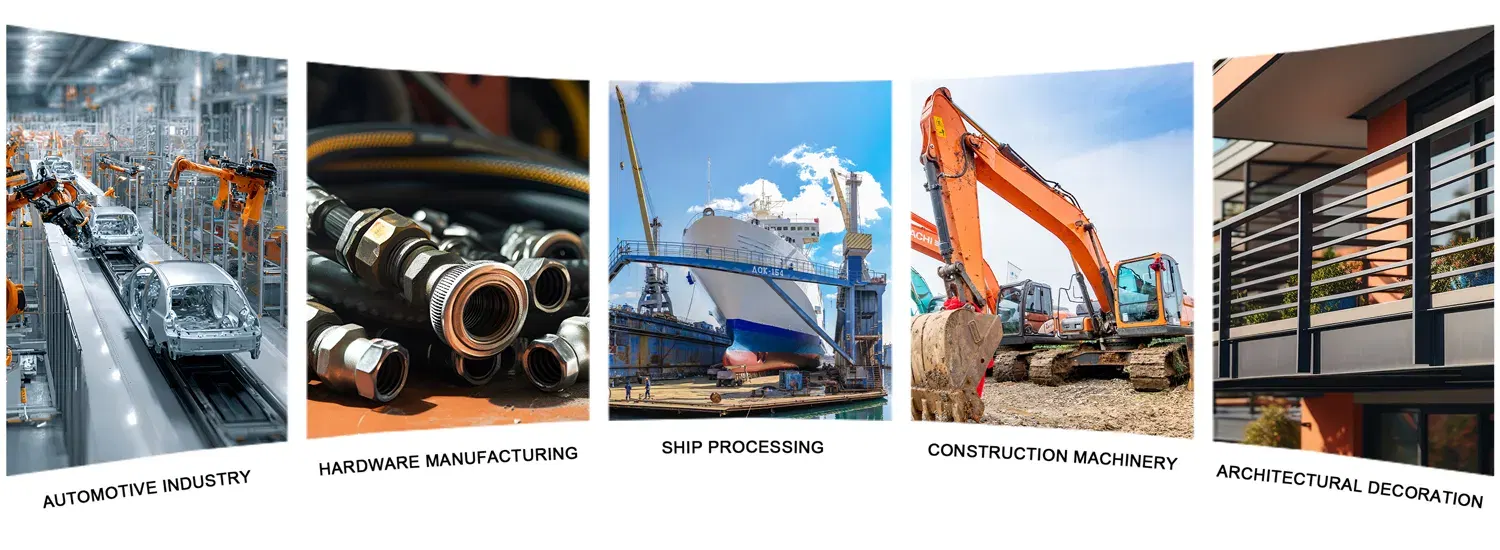
▶ Application Industry
▶ FAQ
How do we choose the right type of dust removal equipment?
When selecting dust removal equipment, factors such as dust concentration, particle size, gas temperature, humidity, air volume, spatial layout, and industry characteristics should be considered. For example, a spray paint shop might choose a cartridge dust collector, while a cement plant would be more suitable for a bag filter or electrostatic dust collector. We recommend contacting a technical engineer for an on-site assessment and air volume calculation to ensure efficient and stable system operation.
Does the dust removal equipment require frequent manual intervention during operation?
No. Modern dust removal equipment is typically equipped with a fully automatic control system that enables scheduled cleaning, pressure differential feedback cleaning, and remote monitoring. Operators only need to regularly inspect the equipment's operating status and clean the dust collection box, significantly reducing manual intervention. Filter media replacement is also very simple, resulting in low O&M costs.
Will the dust collection system cause excessive noise or air loss?
Noise control and airflow optimization are incorporated into the equipment design. The fan is designed to be low-noise and can be fitted with a soundproof enclosure to effectively control operating noise. Furthermore, appropriate air volume calculation and sealing structure ensure that the dust removal process does not cause significant negative pressure or air loss in the workshop environment, improving air quality.
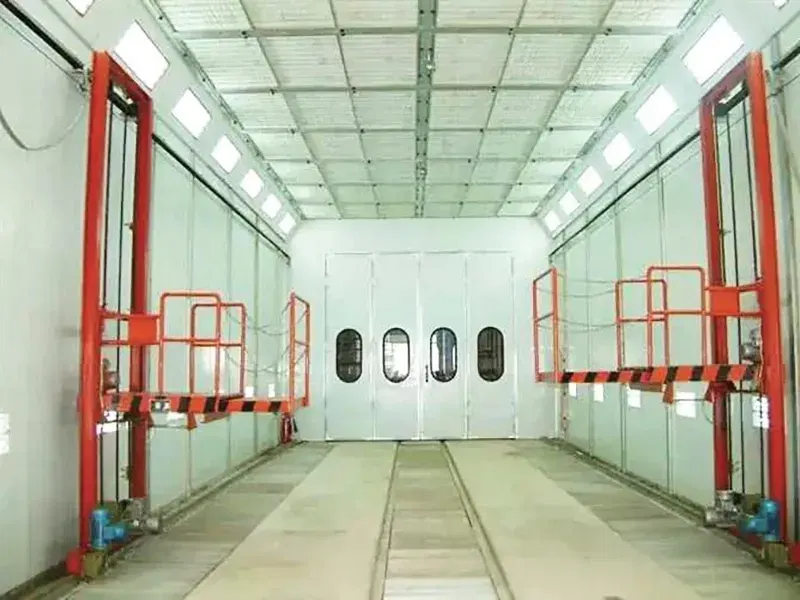
Related Products

__q_9c292374e3.webp)
__q_9c292374e3.webp)
__q_9c292374e3.webp)
__q_9c292374e3.webp)
__q_9c292374e3.webp)
__q_9c292374e3.webp)
__q_9c292374e3.webp)
__q_9c292374e3.webp)
__q_9c292374e3.webp)
__q_9c292374e3.webp)
Contact US
Product Information
Quantity
Unit
Piece
Support order samples, customization, wholesale direct, and complete payment. If the product you look for does not have corresponding customized content, pls fill out the form below to contact us, and we will reply ASAP.