-
tel:
+86 13770027118 -
email:
[email protected]

Flat Bag Dust Collector

![loading... [608x456]](/assets/ji-heng-media/3066/general/8imRNQACkhCdrBPW/13__q_9c292374e3.webp)
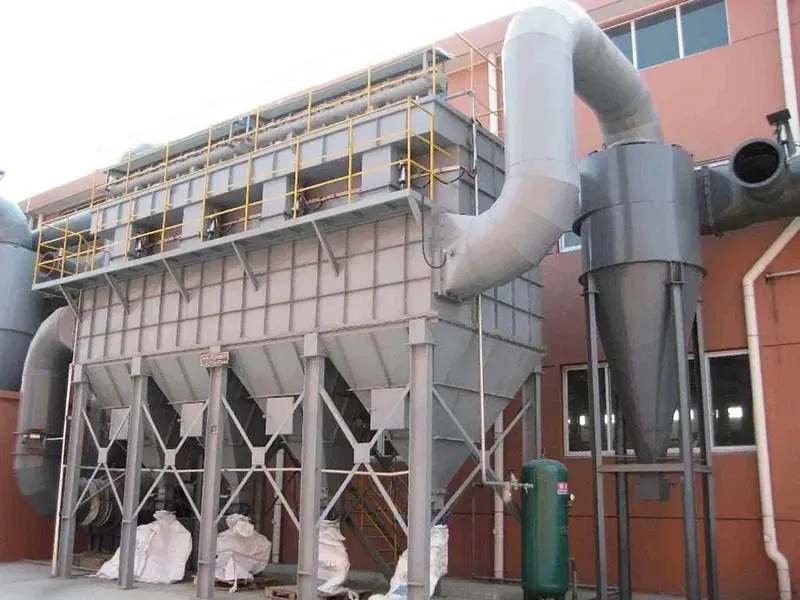
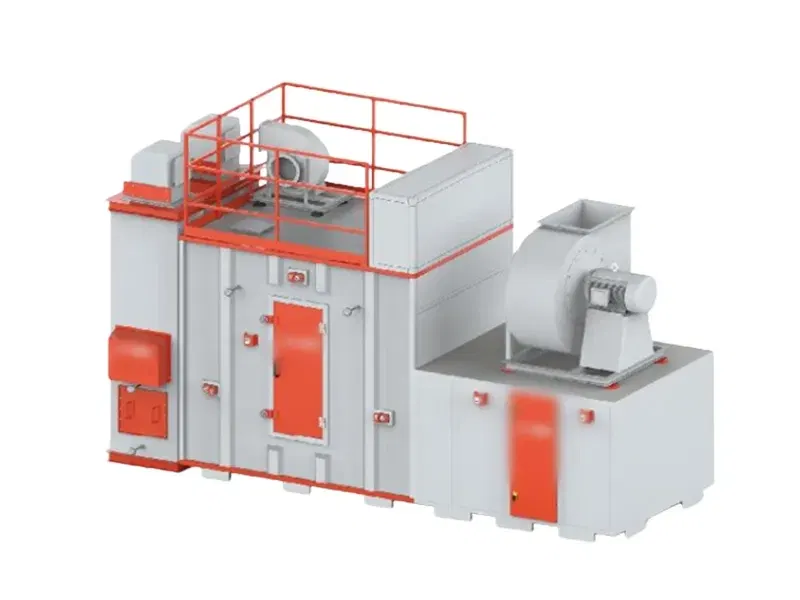
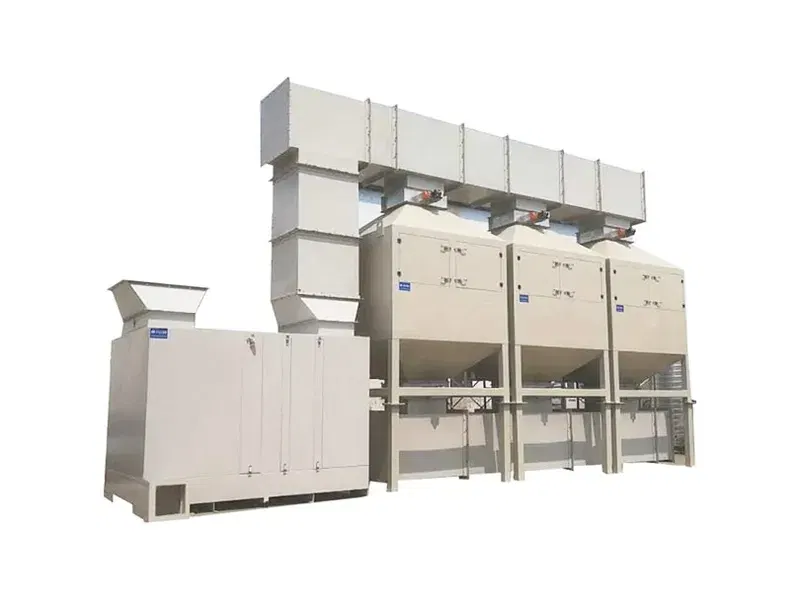
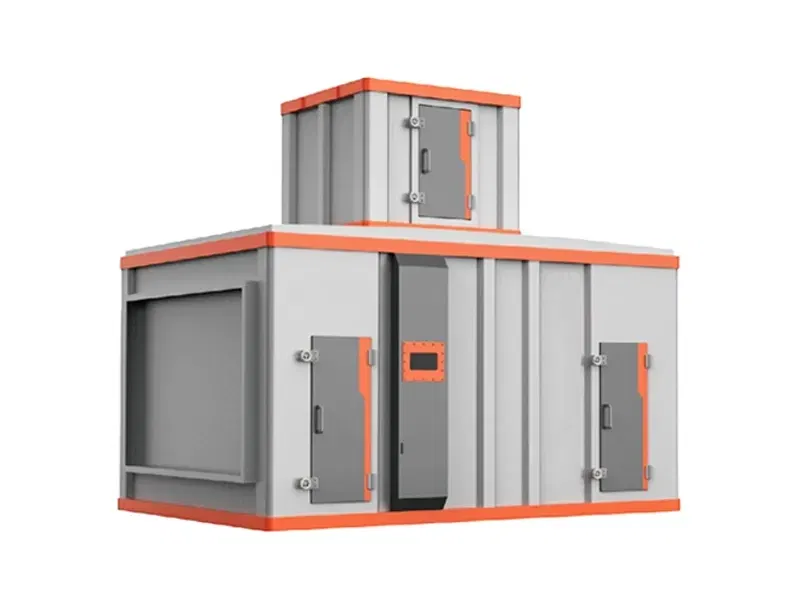
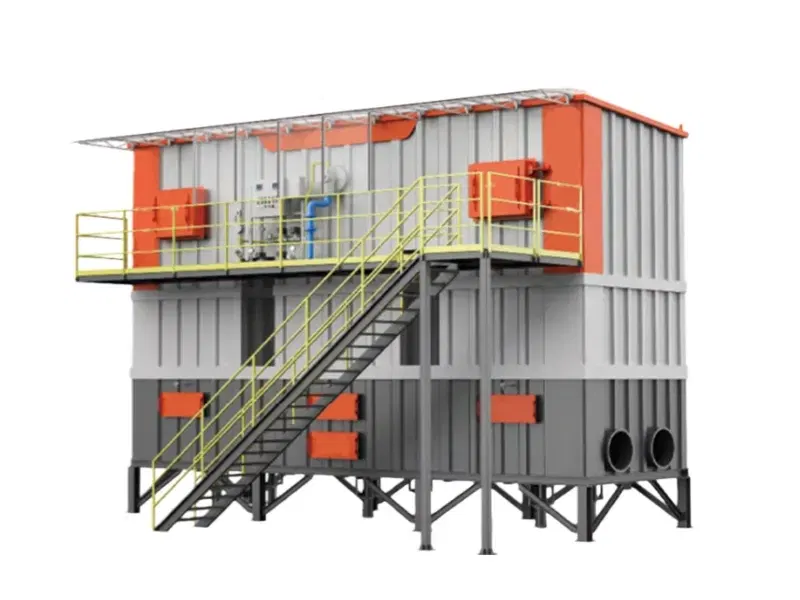
A flat-belt dust collector is a type of equipment used for industrial dust control, widely applied in various production processes, especially in industries with high dust levels. It primarily captures and removes dust from the air through a filtering medium (usually a fabric bag or other filter material), thereby improving air quality, reducing environmental pollution, and meeting national and local environmental protection requirements for industrial emissions. Unlike traditional baghouse dust collectors, flat-belt dust collectors utilize a flat filter belt design, offering advantages such as simple structure, small footprint, and high efficiency, making them particularly suitable for continuous production or applications requiring large processing volumes.
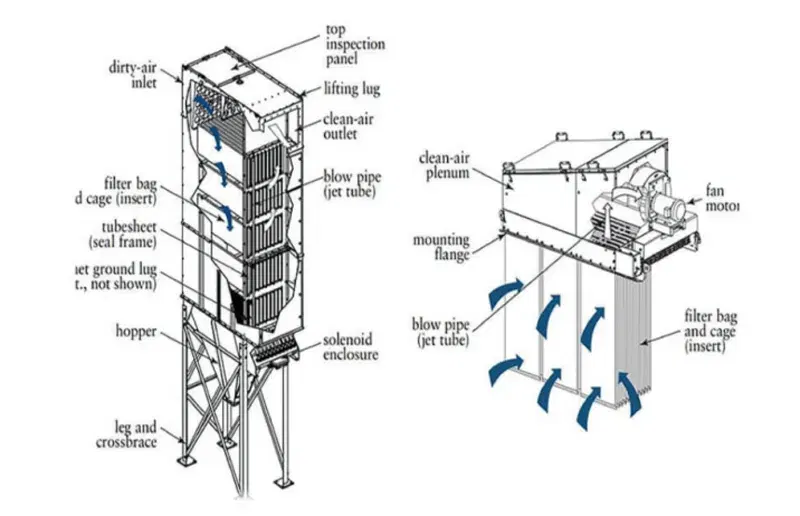
▶ Basic Structure
Dust Collector Chamber
The dust collector chamber is the main body of the flat belt dust collector. Air and dust are drawn into the chamber by a fan. The chamber contains multiple filters, usually flat belt-type filter belts. Multiple compartments are typically set up within the chamber depending on the operational requirements.
Filter Belt
The filter belt is the core component of the flat belt dust collector. It is usually made of a high-temperature resistant, corrosion-resistant, and breathable fabric, possessing strong filtration capabilities. The design of the filter belt allows dust to accumulate on its surface, effectively removing particulate matter from the air.
Back-flushing Device
To ensure the cleanliness and filtration efficiency of the filters, the flat belt dust collector is equipped with a back-flushing device, which periodically cleans the filter belts with a reverse airflow. The back-flushing device removes accumulated dust, keeping the filter belts clear.
Fan
The fan generates negative pressure suction, drawing dust-laden air into the dust collector and ensuring that the dust is filtered by the filter belts before being discharged. The fan's power is usually selected based on the air volume to be processed.
Dust Collector
After filtration, dust accumulates on the surface of the filter belts. The accumulated dust is removed through methods such as pulse cleaning, and this removed dust is collected in the dust collector for disposal.
Cleaning System
The cleaning system of the flat belt dust collector generally uses methods such as pulse jet cleaning, mechanical brushing, or electrostatic dust removal. Pulse jet cleaning is a common cleaning method, using compressed air pulses to remove accumulated dust from the surface of the filter belts, ensuring efficient operation of the equipment.
Electrical Control System
The electrical control system of the flat belt dust collector is responsible for monitoring the operating status of each working part, automatically adjusting the back-flushing frequency and fan operating status to ensure stable operation of the equipment.
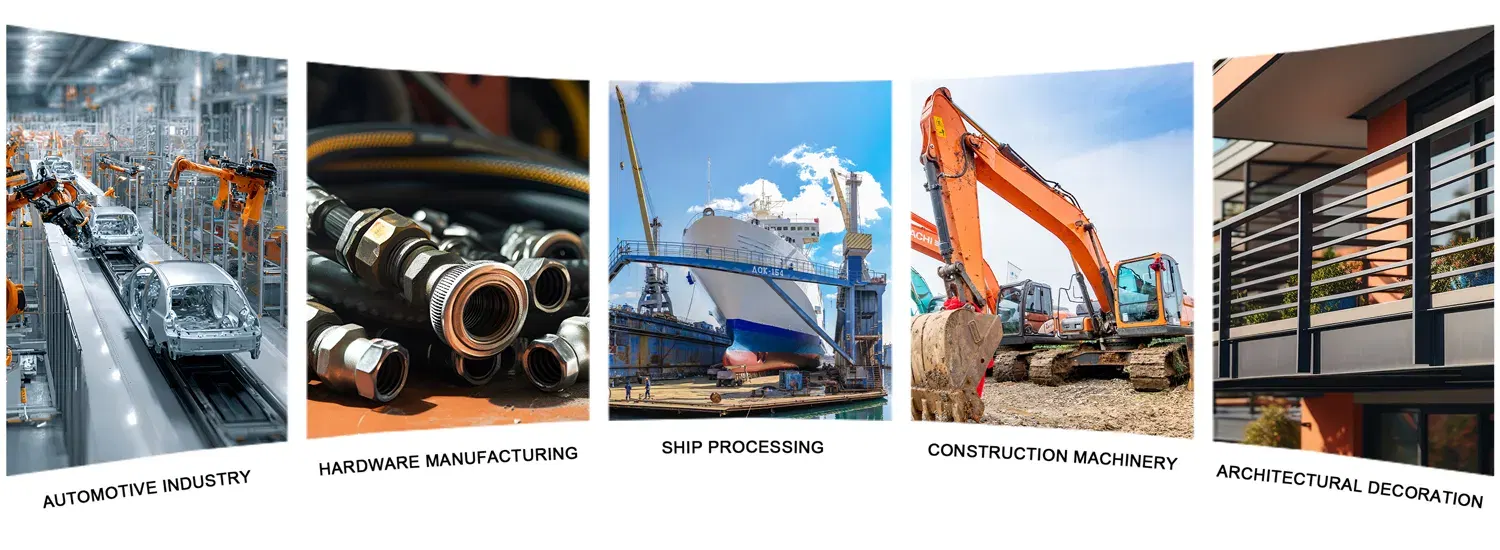
▶ Application Industry
▶ FAQ
How do we choose the right type of dust removal equipment?
When selecting dust removal equipment, factors such as dust concentration, particle size, gas temperature, humidity, air volume, spatial layout, and industry characteristics should be considered. For example, a spray paint shop might choose a cartridge dust collector, while a cement plant would be more suitable for a bag filter or electrostatic dust collector. We recommend contacting a technical engineer for an on-site assessment and air volume calculation to ensure efficient and stable system operation.
Does the dust removal equipment require frequent manual intervention during operation?
No. Modern dust removal equipment is typically equipped with a fully automatic control system that enables scheduled cleaning, pressure differential feedback cleaning, and remote monitoring. Operators only need to regularly inspect the equipment's operating status and clean the dust collection box, significantly reducing manual intervention. Filter media replacement is also very simple, resulting in low O&M costs.
Will the dust collection system cause excessive noise or air loss?
Noise control and airflow optimization are incorporated into the equipment design. The fan is designed to be low-noise and can be fitted with a soundproof enclosure to effectively control operating noise. Furthermore, appropriate air volume calculation and sealing structure ensure that the dust removal process does not cause significant negative pressure or air loss in the workshop environment, improving air quality.

Contact US
Product Information
Quantity
Unit
Piece
Support order samples, customization, wholesale direct, and complete payment. If the product you look for does not have corresponding customized content, pls fill out the form below to contact us, and we will reply ASAP.