-
tel:
+86 13770027118 -
email:
[email protected]

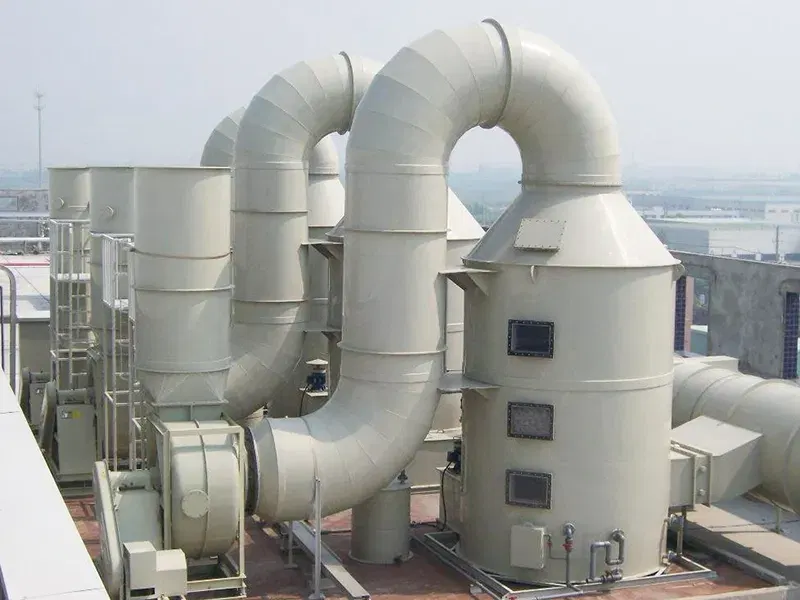
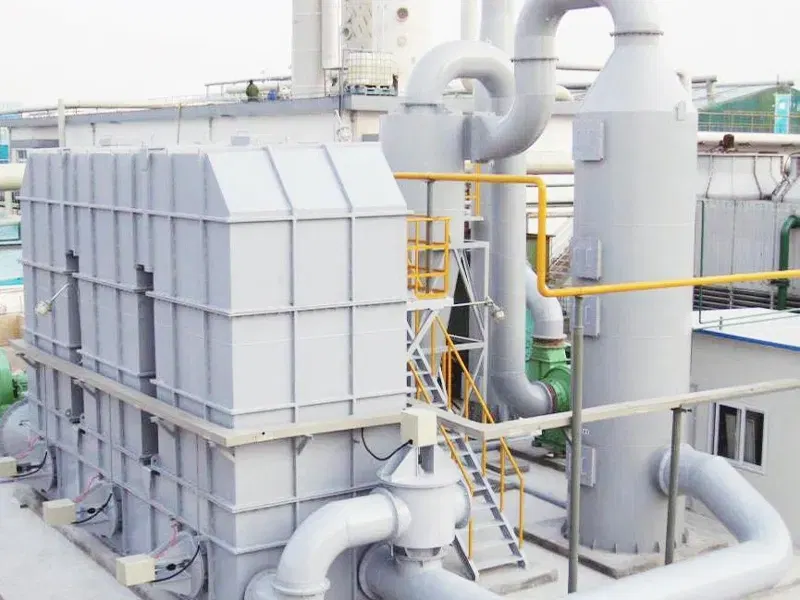
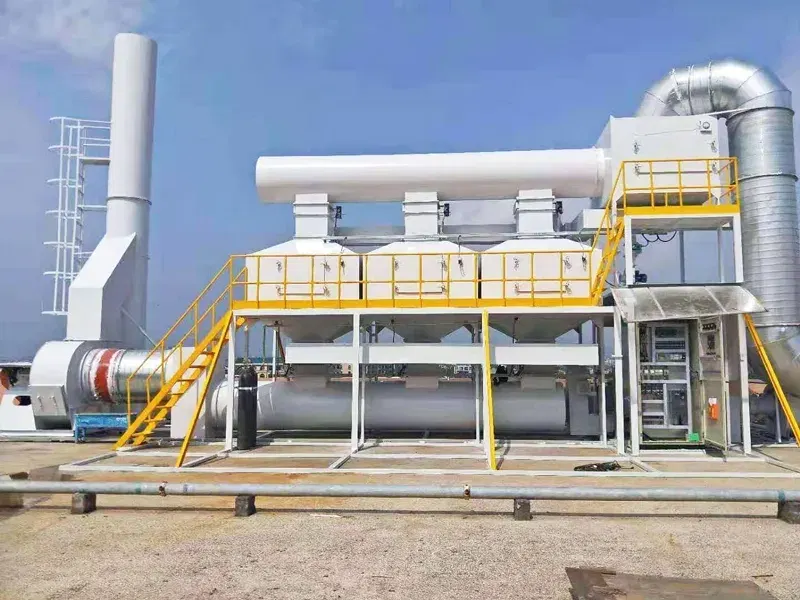
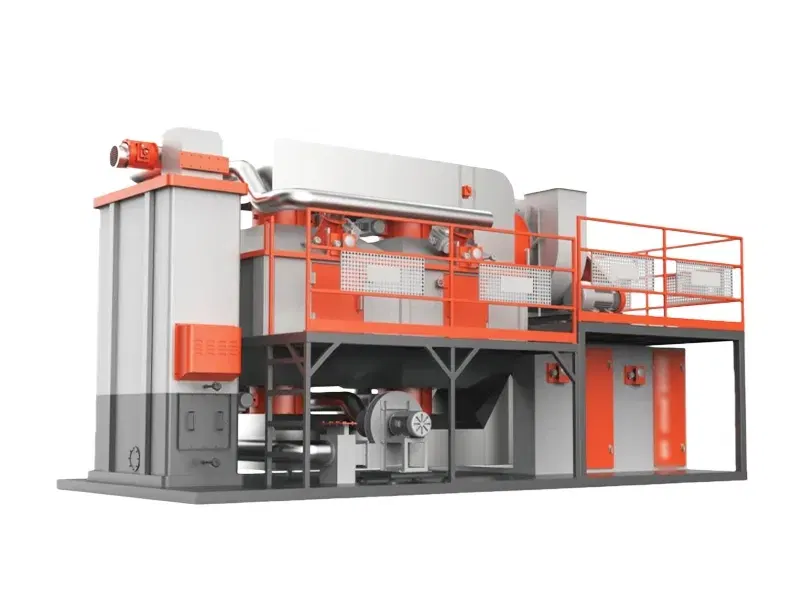
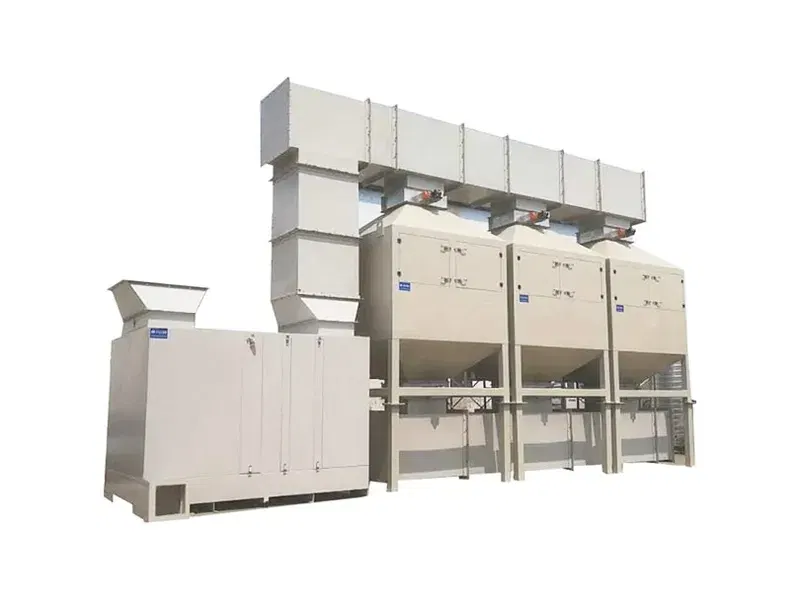
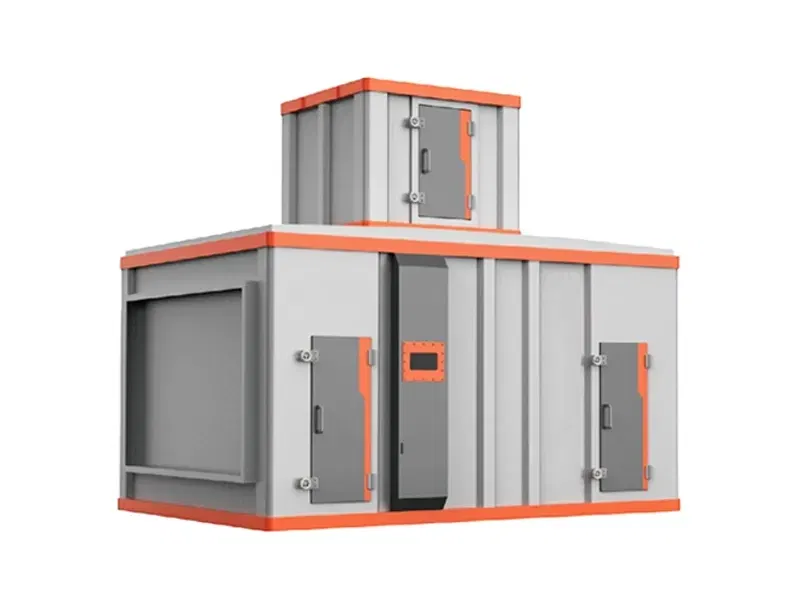
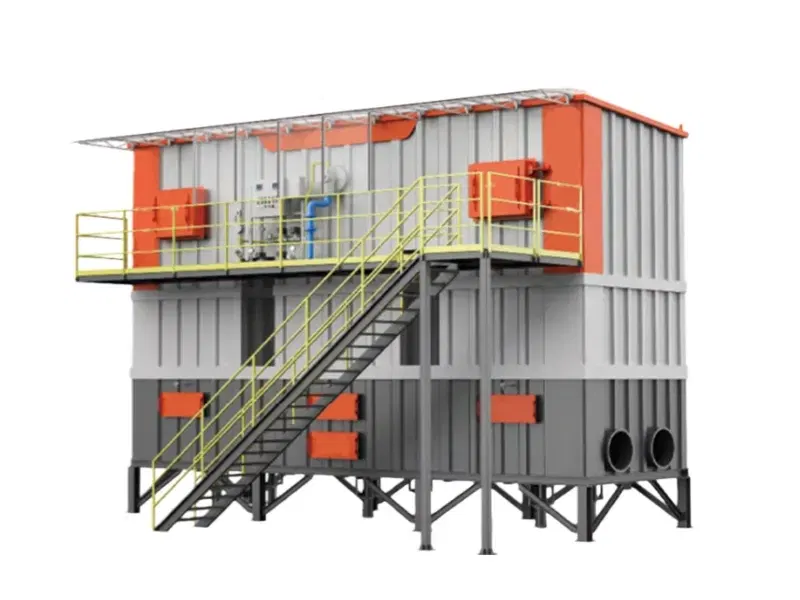
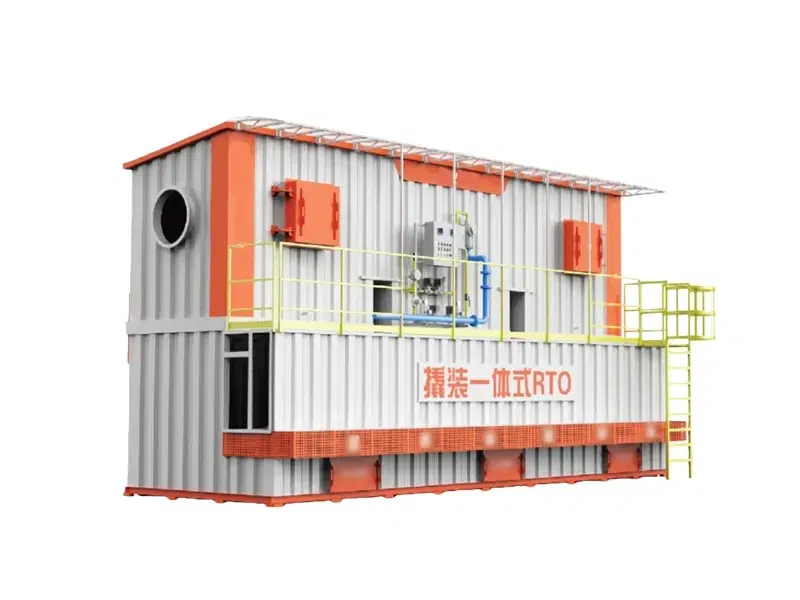
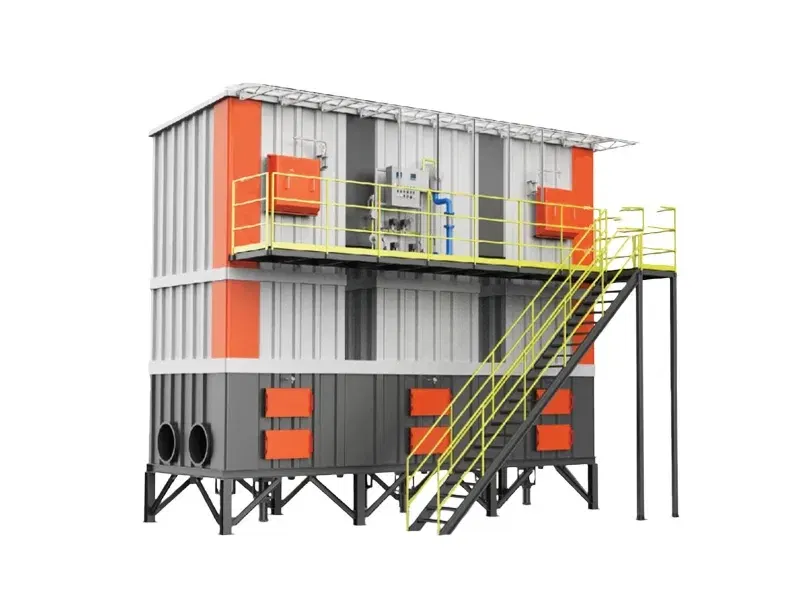
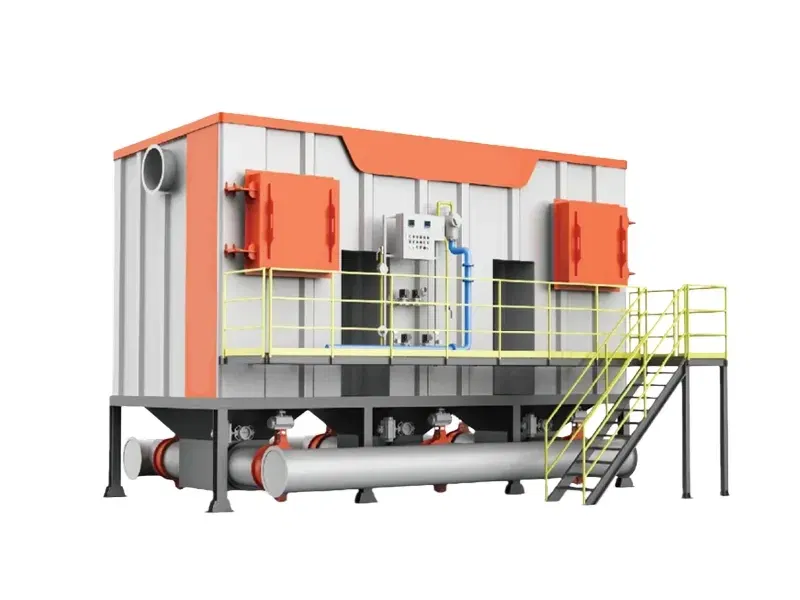
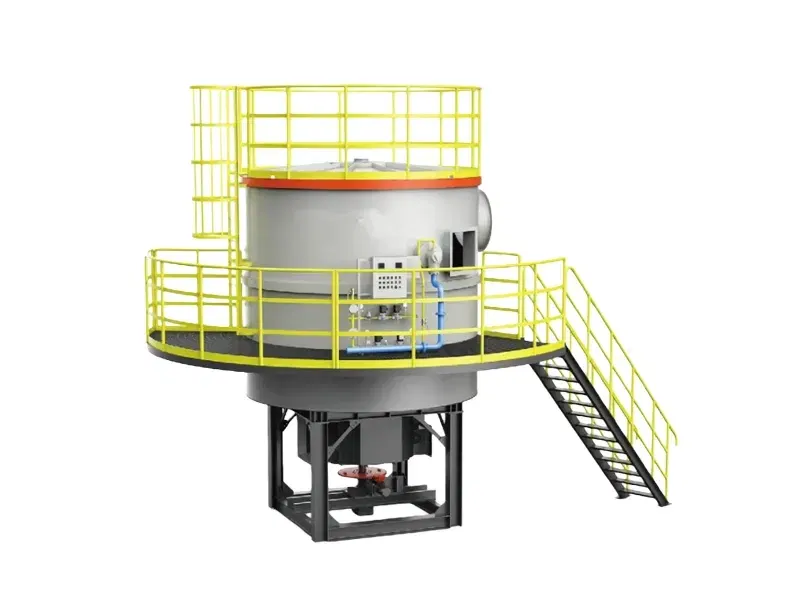
Activated Carbon Adsorption-Desorption Catalytic Combustion Equipment

![loading... [608x456]](/assets/ji-heng-media/3066/general/KpBnF3tdKJEYFFQr/21__q_9c292374e3.webp)
Activated Carbon Adsorption-Desorption Catalytic Combustion Equipment
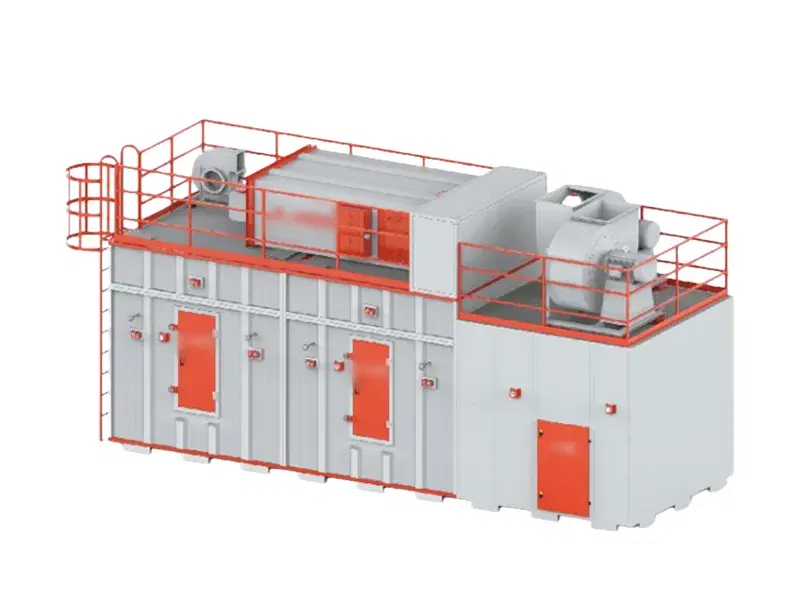
1. Utilizes honeycomb activated carbon
2. Employs a precious metal catalyst on a ceramic honeycomb substrate
3. Low operating costs and significant energy-saving effects
4. Intelligent maintenance and service reminder system
5. Double flame arrestor and dust removal device
6. Uses a PLC control system
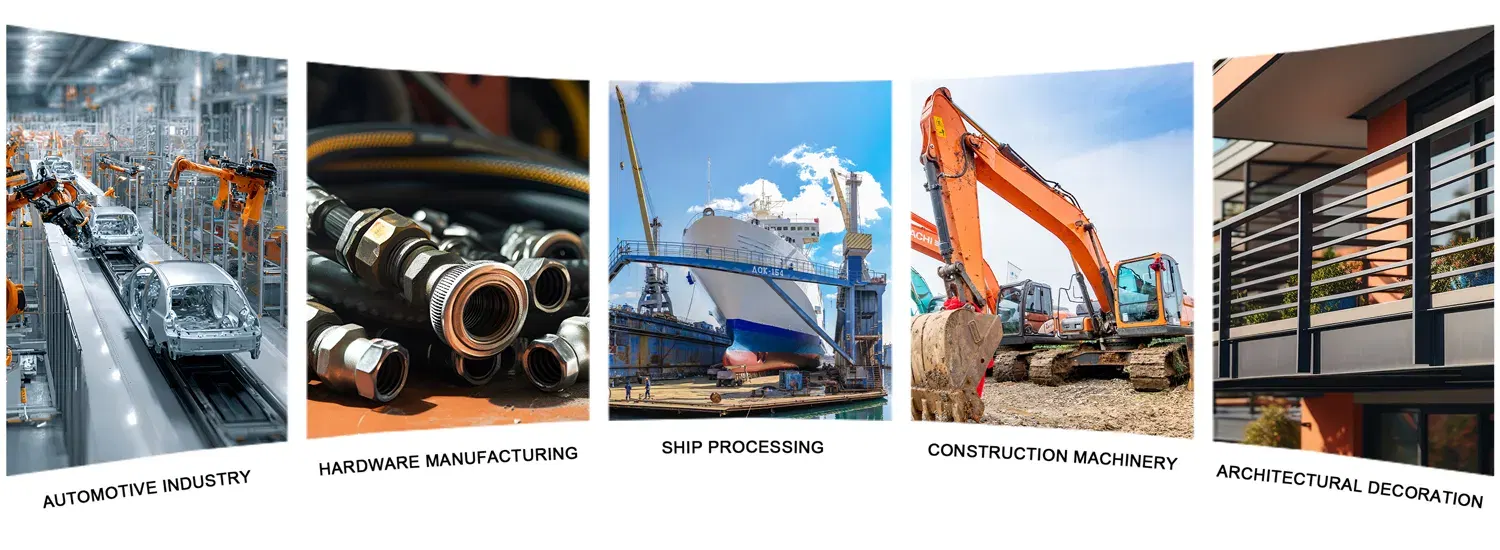
▶ Application Industry
▶ FAQ
How do we choose the right type of dust removal equipment?
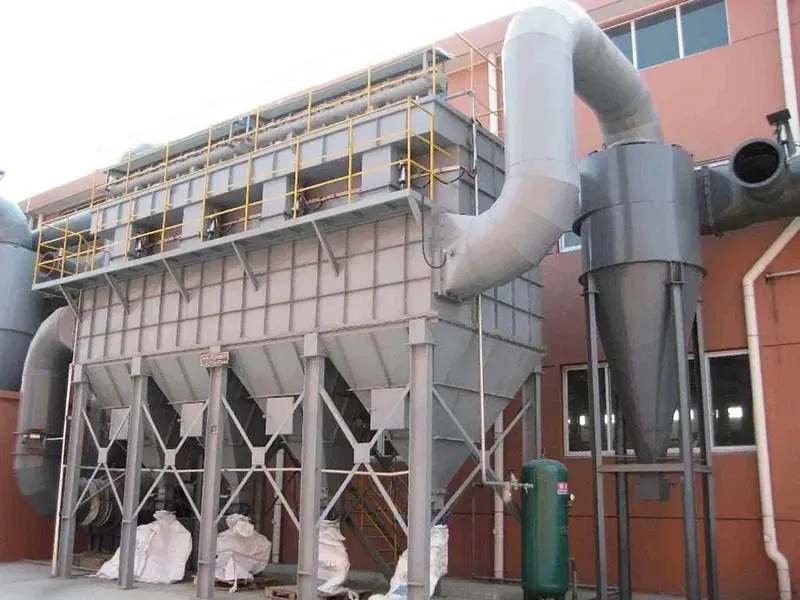
When selecting dust removal equipment, factors such as dust concentration, particle size, gas temperature, humidity, air volume, spatial layout, and industry characteristics should be considered. For example, a spray paint shop might choose a cartridge dust collector, while a cement plant would be more suitable for a bag filter or electrostatic dust collector. We recommend contacting a technical engineer for an on-site assessment and air volume calculation to ensure efficient and stable system operation.
Does the dust removal equipment require frequent manual intervention during operation?
No. Modern dust removal equipment is typically equipped with a fully automatic control system that enables scheduled cleaning, pressure differential feedback cleaning, and remote monitoring. Operators only need to regularly inspect the equipment's operating status and clean the dust collection box, significantly reducing manual intervention. Filter media replacement is also very simple, resulting in low O&M costs.
Will the dust collection system cause excessive noise or air loss?
Noise control and airflow optimization are incorporated into the equipment design. The fan is designed to be low-noise and can be fitted with a soundproof enclosure to effectively control operating noise. Furthermore, appropriate air volume calculation and sealing structure ensure that the dust removal process does not cause significant negative pressure or air loss in the workshop environment, improving air quality.

Contact US
Product Information
Quantity
Unit
Piece
Support order samples, customization, wholesale direct, and complete payment. If the product you look for does not have corresponding customized content, pls fill out the form below to contact us, and we will reply ASAP.