How to judge whether the exhaust gas treatment equipment is working properly?
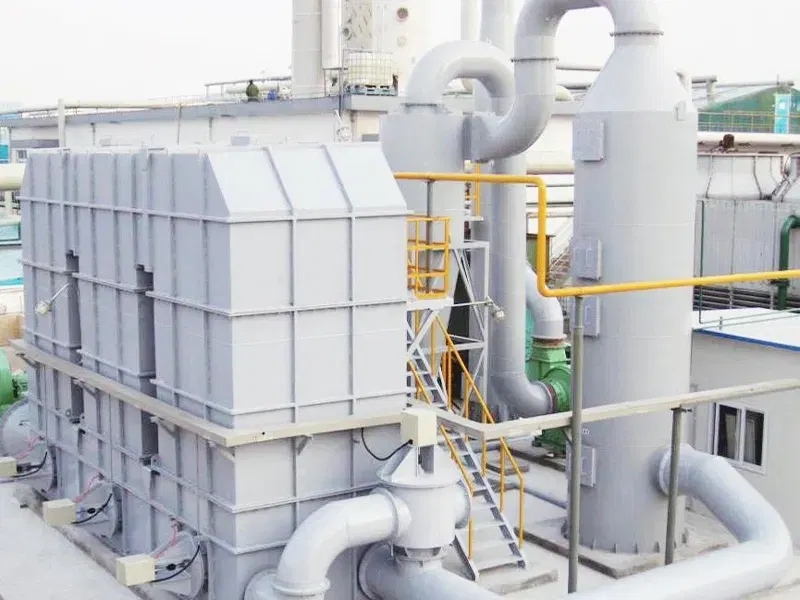
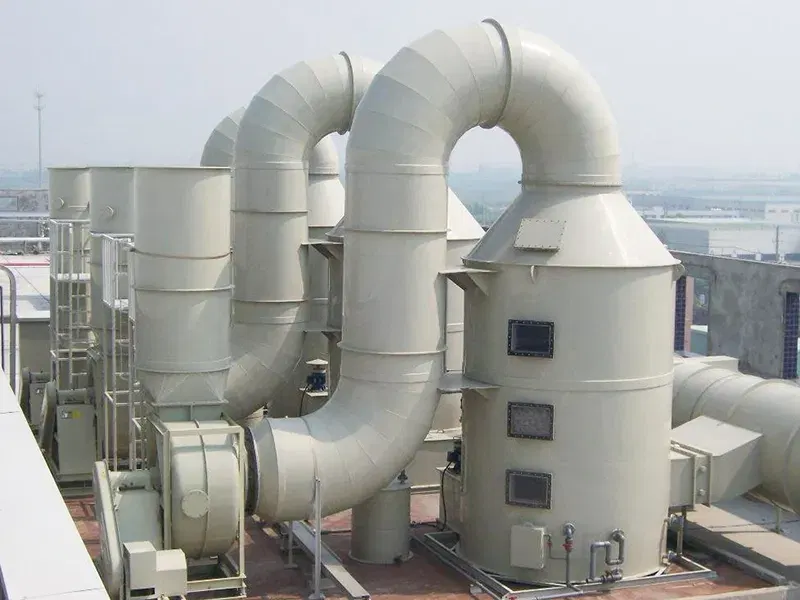
Determining whether exhaust gas treatment equipment is functioning properly is crucial for ensuring environmentally friendly emissions, ensuring production safety, and reducing operating costs. Exhaust gas treatment equipment often involves complex mechanical, electrical, and chemical processes. Its proper operation not only impacts the lifespan of the equipment itself but also directly impacts exhaust gas purification effectiveness and environmental quality. This article systematically explains how to determine whether exhaust gas treatment equipment is functioning properly, focusing on six aspects: monitoring equipment operating parameters, observing equipment status, detecting exhaust gas emissions, recording equipment maintenance, identifying abnormalities, and managing safety.
Monitoring Equipment Operating Parameters
Equipment operating parameters are crucial for determining whether it is functioning properly. By monitoring key parameters, equipment anomalies can be detected promptly and corrective measures implemented.
Temperature Monitoring
Temperature changes in exhaust gas treatment equipment are a key indicator of equipment operating status. For example, the combustion chamber temperature of thermal oxidation equipment should remain within the designed high temperature range; the reaction temperature of catalytic oxidation equipment should remain stable within the catalyst's operating range. Significant temperature deviations from the set value may indicate incomplete combustion, catalyst failure, or a malfunction in the heating system.
Pressure Differential Monitoring
For filtration and dust removal equipment such as bag filters and electrostatic precipitators, pressure differential is a key parameter used to measure the degree of filter media clogging. A large pressure differential indicates that the filter media is clogged with dust and requires prompt cleaning or replacement of the filter bags. A small pressure differential may indicate air leakage or equipment damage.
Air Volume and Velocity Testing
The airflow stability of exhaust gas treatment equipment directly impacts treatment efficiency. Fans should operate at the designed air volume and velocity. Abnormal air volume may cause the exhaust gas flow velocity to be too high or too low, affecting purification effectiveness or even causing equipment damage.
Current and Voltage Monitoring
The stability of the electrical system is critical to the proper operation of the equipment. The current and voltage of the fan, heater, and control system should be stable. Abnormal fluctuations may indicate motor failure or aging of electrical components.
Visual Observation of Equipment Status
In addition to data monitoring, the physical condition of the equipment is also an important indicator of normal operation.
Equipment Vibration and Noise
The fan and motor should operate smoothly. Abnormal vibration or noise may indicate bearing damage, impeller imbalance, or loose installation. Continuous abnormal vibration may cause equipment damage and require immediate repair.
Equipment Surface Temperature
The equipment casing temperature should be uniform and meet design requirements. Localized overheating may indicate internal blockage, component failure, or cooling system failure. Equipment Leakage
Check pipes, valves, and joints for exhaust gas leaks. Leaks not only reduce purification efficiency but also cause environmental pollution and safety hazards.
Equipment Surface Condition
Pay attention to rust, corrosion, and dust accumulation on the equipment surface. Severe rust may affect the structural strength of the equipment, while excessive dust accumulation may affect heat dissipation and operational safety.
Online Monitoring of Exhaust Emissions
The ultimate goal of exhaust gas treatment equipment is to purify exhaust gas and ensure that emissions meet environmental standards. Exhaust gas emission monitoring provides a direct indicator of the equipment's treatment effectiveness.
Online Gas Detection
Install online monitoring equipment to monitor exhaust gas levels for real-time indicators such as volatile organic compounds (VOCs), carbon monoxide (CO), carbon dioxide (CO₂), nitrogen oxides (NOx), and particulate matter. Exceeding emission concentrations indicate reduced purification effectiveness or equipment malfunction.
Exhaust Gas Temperature
Exhaust gas temperature should meet design requirements. Abnormal temperatures may indicate incomplete reaction or inadequate combustion.
Odor and Smoke
Visual and olfactory evaluations are simple ways to assess equipment performance. If there is a noticeable odor or thick smoke in the exhaust gas, it indicates incomplete purification or equipment malfunction.
Management of Maintenance and Repair Records
Equipment maintenance records are an important reference for assessing equipment status and help identify potential problems.
Periodic Maintenance Plan Implementation
Equipment maintenance should be performed according to plan, including cleaning filter media, replacing catalysts, and lubricating mechanical components. Timely and standardized maintenance is more likely to keep the equipment in proper condition.
Fault and Repair Records
Record the type of equipment fault, the corrective measures, and the repair time. Frequent occurrence of similar faults may indicate design flaws or inadequate maintenance.
Equipment Lifespan and Replacement Cycle
Critical components such as filter bags, catalysts, and fan bearings have a finite lifespan. Failure to replace them promptly after their lifespan has expired will result in decreased equipment efficiency.
Identification and Handling of Abnormalities
Promptly identifying and responding to abnormalities is crucial to ensuring the normal operation of the equipment.
Abnormal Alarm System
Modern exhaust gas treatment equipment is equipped with automatic alarms for signals such as excessive temperature, abnormal pressure, and fan stall. Operators should pay attention to alarms and quickly identify the cause. Sudden changes in operating data
Sudden changes in equipment parameters often indicate a sudden equipment failure and should be promptly shut down for inspection to prevent escalating accidents.
Abnormal odors and noises
If unusual odors or noises occur at the operation site, immediately check the equipment's operation to eliminate leaks and mechanical failures.
Safety Management and Operating Procedures
Maintaining the proper operation of equipment also depends on sound safety management and standardized operations.
Operator Training
Only professionally trained personnel can properly operate and maintain equipment, promptly detect abnormalities, and take effective measures.
Safety Inspection System
Perform regular equipment inspections, focusing on key components and vulnerable links, to prevent accidents.
Emergency Plan Improvement
Develop a detailed emergency response plan to ensure rapid response and minimize losses in the event of equipment failure, leakage, or fire.
Summary
Determining the proper operation of exhaust gas treatment equipment is a comprehensive process encompassing operating parameter monitoring, physical condition observation, exhaust gas emission testing, maintenance management, abnormality identification, and safe operation. Through scientific and systematic monitoring and management, problems can be promptly identified, ensuring stable and efficient equipment operation, ensuring that exhaust gas emissions meet standards, and reducing environmental pollution risks. Enterprises should establish a complete monitoring and maintenance system, cultivate professional operation and maintenance personnel, and promote the development of waste gas treatment equipment towards intelligence and automation, so as to achieve a win-win situation of environmental protection goals and production benefits.